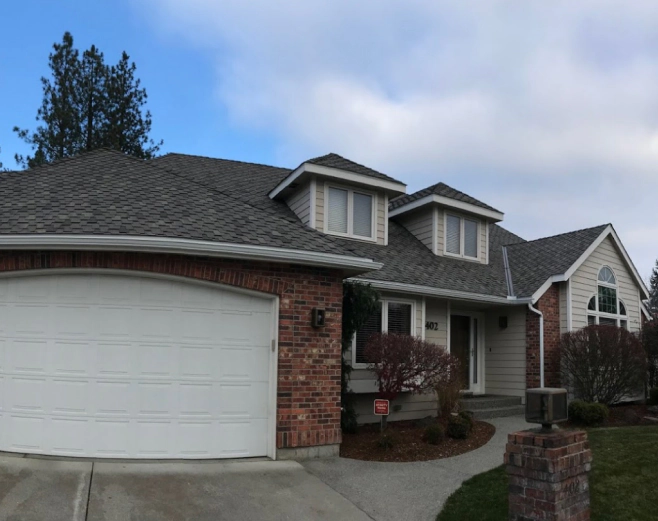
Why Timing Matters More Here Than in Milder Climates
In a place with a gentle climate, you can re-roof almost any month and barely notice the difference. The Inland Northwest is not that place. Spokane and North Idaho see genuine snow loads, repeated freeze-thaw cycles, ice dams along eaves, and the occasional summer hail or wind event. All of that puts pressure on both your existing roof and the window you have to replace it.
The two factors that actually move the needle are temperature and moisture. Asphalt shingles need to seal properly, which depends on warm surface temperatures and sunlight. And no roofing crew wants to tear off your old roof with rain or snow in the forecast, because an exposed deck is a homeowner's worst nightmare. Picking the right season is mostly about lining up dry weather with temperatures warm enough for materials to perform the way they're designed to.
Late Summer Through Early Fall: The Sweet Spot
For most Spokane and Coeur d'Alene homeowners, late August through October is the ideal stretch. By that point the heavy summer heat has usually backed off, rain is still relatively infrequent, and daytime temperatures sit comfortably in the range shingles like for sealing.
There's a second, more practical reason early fall is smart: it gets your roof buttoned up before the first snow flies. A roof installed in September has weeks of mild weather to fully seal its shingle adhesive strips before winter arrives. That sealing is what helps the system resist wind uplift and the ice-dam stress that comes with our long, cold winters.
The trade-off is demand. This is peak roofing season, so the best local crews book up fast. If you're aiming for a fall roof replacement, it pays to schedule your estimate in early or mid-summer rather than waiting until you see leaves on the ground.
Spring and Early Summer: A Strong Runner-Up
Spring is the other dependable window, with one caveat: Inland Northwest springs are wet and unpredictable. April and May can swing from sunny to soggy in a single afternoon, and a saturated forecast can push a tear-off back by days.
That said, spring has real advantages. Crews are coming off the slow winter season and tend to have more open scheduling. It's also a great time to address damage you discovered over the winter, before another snow season arrives. Early summer, once the spring rains taper, often delivers some of the most reliable installation weather of the year, though you may be competing with everyone else who had the same idea.
Winter Roofing: Possible, but Reserved for Emergencies
Can a roof be replaced in a Spokane winter? Yes, experienced crews do it when they have to. But it isn't the season you'd choose voluntarily.
Asphalt shingles get brittle in the cold and can crack if handled roughly, and their adhesive seal won't fully activate until temperatures rise, which can leave a winter-installed roof more exposed to wind until spring. Snow and ice on the deck create safety hazards and slow the work down. Reputable installers use hand-sealing techniques and cold-weather practices to manage this, but it adds time and care.
Winter replacement makes sense in one situation: an active leak or failure that can't wait. If a tree limb comes through your roof in January or you're getting water in the living room, you don't wait for July. In that case, the priority is a sound, watertight repair or replacement now, with the understanding that conditions aren't ideal. Reach out for a free estimate if you're facing an urgent situation.
How Season Affects Price and Scheduling
Roofing has a clear busy season, and that affects both your wait time and, sometimes, your wallet. During the peak late-summer rush, the most sought-after contractors are booked weeks out, and there's little incentive to discount. During the slower late-fall and winter months, you may find more scheduling flexibility.
A few honest points to keep in mind:
- Don't chase a tiny discount into bad weather. Any savings from off-season scheduling can evaporate if a job has to pause for snow or gets installed in less-than-ideal conditions.
- Material prices move independently of season. Shingle and metal costs are driven by manufacturing and supply, not the calendar, so don't assume winter automatically means cheaper materials.
- Book early for the best crews. The quality of the installation matters far more over a roof's lifespan than shaving a small amount off the price.
If budget is your concern, ask about flexible financing rather than gambling on weather. That keeps you in the ideal installation window without straining cash flow.
Reading the Signs: When Your Roof Won't Wait for the Season
Sometimes the best time to replace your roof is simply "as soon as possible," regardless of the calendar. Watch for these warning signs, especially heading into winter:
- Shingles that are curling, cupping, or losing granules in large amounts (check your gutters for granule buildup)
- Multiple shingles cracked, torn, or missing after a wind event
- Daylight visible in the attic, or water stains on ceilings and upper walls
- Sagging rooflines or a spongy feel underfoot
- A roof that's simply at the end of its rated life, often 20-plus years for asphalt
A roof in this condition heading into a Spokane winter is a real risk. Heavy snow and ice dams will find every weakness, and a failure in February is far more expensive and disruptive than planned replacement in the fall. If you're unsure where your roof stands, a professional inspection will tell you whether you can comfortably wait for the next ideal window or should act now.
Don't Forget the Whole System
Whenever you replace your roof, it's the right moment to address everything that works with it. Underlayment, flashing, ventilation, and ice-and-water barrier along the eaves all matter enormously in our climate, where ice dams form when attic heat melts snow that then refreezes at the cold edge.
Gutters are part of that system too. They carry meltwater away from your foundation and help reduce ice buildup at the eaves. That's why a roof replacement is the natural time to evaluate them, and as part of a replacement DG Contracting includes a 15-25 year workmanship warranty. If you're considering a longer-term, snow-shedding option, this is also the moment to ask about metal roofing, which performs well under Inland Northwest snow loads.
Why Spokane Homeowners Choose DG Contracting
DG Contracting is a family-owned company that has served Spokane, Spokane Valley, Coeur d'Alene, and North Idaho since 2013. We're licensed and insured in both Washington and Idaho, and we're a GAF Master Elite contractor, a designation held by only a small percentage of roofers nationwide. That certification lets us back qualifying installations with the GAF Golden Pledge warranty, and we add our own 15-25 year workmanship warranty on top.
Because we live and work in the same climate you do, we plan installations around real Inland Northwest weather, not a generic calendar. If you're weighing the timing of a replacement, the simplest next step is a no-pressure conversation. Request a free estimate and we'll help you figure out the right window for your home and budget.