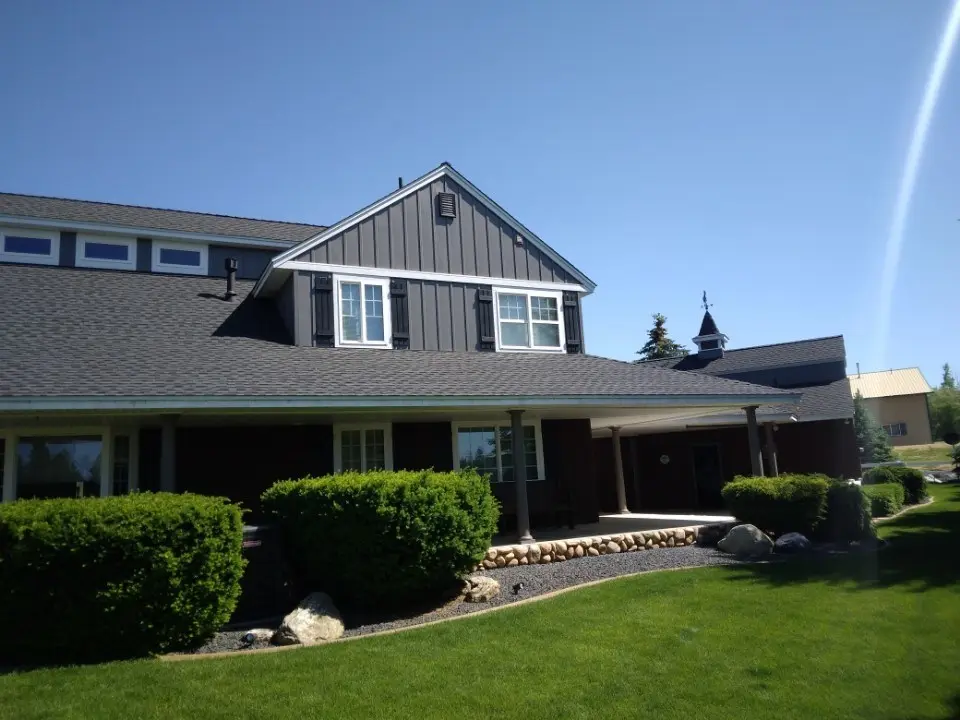
The short answer: it depends on your roofline
For most homes in the Spokane and Coeur d'Alene area, the price of new gutter installation depends on the material, gutter size, and how complex your roofline is. Larger or two-story homes with steep, cut-up rooflines run higher than simple single-story homes.
The only way to know your real number is a measured, in-person assessment, because two houses on the same street can price out very differently based on roof height, fascia condition, and how many corners and downspouts are involved. The good news: DG Contracting offers free estimates, so you can get a firm number with no guesswork.
What actually drives the price
Gutter pricing isn't just length times a rate. A handful of factors move the needle more than homeowners expect:
- Linear footage: The total run of gutter around your roof edge is the biggest single driver.
- Number of corners and downspouts: Each inside/outside corner and each downspout drop adds labor and material.
- Height and access: Two-story homes, steep grades, and tricky access points require more setup, safety equipment, and time.
- Fascia and soffit condition: If the wood behind your old gutters is rotted, it needs repair before new gutter can be hung properly.
- Gutter size: Standard 5-inch versus oversized 6-inch (more on that below).
- Add-ons: Gutter guards, larger downspouts, heat cable, or decorative profiles all add to the total.
Seamless vs. sectional gutters
Most quality installs today use seamless aluminum gutters, which are roll-formed on-site to the exact length of each run. Because they have no seams except at the corners, there are far fewer spots to leak over time, which matters a lot in a freeze-thaw climate where any standing water can expand and pry joints apart.
Sectional gutters, sold in pre-cut pieces at home centers, cost less up front and can be a tempting DIY option, but the joints become leak points and weak spots once ice and debris start working on them. For Inland Northwest homes, the modest premium for seamless gutters usually pays off in fewer callbacks and a longer service life. If you're already planning a roof replacement, bundling new seamless gutters at the same time is often the most cost-effective path.
Material choices and how they affect cost
Material is one of the biggest levers on price and longevity:
- Aluminum: The most common choice. Rust-proof, lightweight, available in many colors, and reasonably priced. A strong all-around pick for our region.
- Steel (galvanized or galvalume): More expensive and heavier, but very strong, which helps where heavy snow loads and sliding ice are a concern.
- Copper: Beautiful and extremely long-lived, but a premium product that costs several times more than aluminum.
- Vinyl: Cheapest, but it becomes brittle in cold and is generally a poor fit for the Inland Northwest winter.
For homes pairing gutters with a metal roof, heavier-gauge metal gutters and proper snow management are worth discussing, since metal roofs shed snow fast and put real force on the gutter line.
Why gutter size matters here: 5-inch vs. 6-inch
The standard residential gutter is 5 inches wide with 2x3-inch downspouts. Upgrading to 6-inch gutters with 3x4-inch downspouts increases water-carrying capacity substantially, roughly 40 percent or more, which is a meaningful upgrade in a climate that sees heavy rain, fast spring snowmelt, and roof runoff all year.
The 6-inch system costs a bit more per foot, but for large roof areas, steep pitches, or homes that have struggled with overflowing gutters, it's often money well spent. During an estimate, a good contractor will size the system to your actual roof area and pitch rather than just defaulting to the cheapest option.
Gutter guards, heat cable, and ice dams
Two add-ons come up constantly in our area, and both relate directly to winter. Gutter guards keep pine needles and leaves out, which matters with all the conifers around Spokane and North Idaho. Quality guards add to the cost, but they cut down on cleaning and on the clogs that contribute to ice buildup.
It's worth being clear-eyed about ice dams, though. Gutters don't cause ice dams, and gutter guards alone won't stop them. Ice dams form when attic heat melts snow that refreezes at the cold roof edge. The real fixes are attic insulation and ventilation, sometimes paired with heat cable in chronic problem areas. A reputable roofer will talk you through the whole picture rather than overselling guards as a cure-all.
Bundling gutters with a roof replacement
The most economical time to install new gutters is during a roof replacement. The crew is already on-site with ladders, staging, and safety gear, the fascia is exposed and easy to inspect, and you avoid paying twice for mobilization and access. That's a big part of why DG Contracting includes a 15-25 year workmanship warranty with a qualifying roof replacement, which can offset a substantial chunk of the gutter cost on a typical home.
If your gutters are sagging, leaking at the seams, or pulling away from the fascia, and your roof is also nearing the end of its life, getting both quoted together usually delivers the best overall value. Flexible financing is available to spread the investment out, and every estimate is free.
How to budget and avoid surprises
A few practical tips to keep your project on budget:
- Get a measured estimate, not a phone guess. Real numbers come from real measurements of footage, corners, and downspouts.
- Ask about fascia repair up front. Hidden wood rot is the most common cost surprise. A good contractor will flag it during the estimate.
- Confirm seamless aluminum and gutter size. Make sure you know whether you're getting 5-inch or 6-inch and why.
- Check licensing and warranty. DG Contracting is licensed and insured in both Washington and Idaho and backs its workmanship.
- Mind the season. Gutters can be installed nearly year-round here, but scheduling ahead of fall rains and winter snow avoids the rush.
When you're ready, you can request a free estimate and get a clear, itemized number for your home.