The short answer (and why it's not so short)
If you want a single number, here it is: most asphalt shingle roofs in the Inland Northwest last somewhere around 20 to 30 years. But that range hides a lot. The same shingle that protects a sheltered home in a quiet Spokane neighborhood for 28 years might fail in 17 on a wind-exposed ridge near Coeur d'Alene with poor attic ventilation.
Roof lifespan depends on four things working together: the material you chose, the quality of the installation, the ventilation and attic conditions underneath it, and the climate beating on it from above. Around here, that climate does plenty of beating. Below we break down realistic lifespans by material, then explain why our region's snow, freeze-thaw cycles, and summer sun matter as much as the product on the label.
Lifespan by roofing material
Here's what to expect from the materials most common on Spokane and North Idaho homes. These are realistic field ranges for our climate, not best-case lab numbers from a brochure.
- 3-tab asphalt shingles: roughly 15-20 years. The budget option, and increasingly rare on new installs.
- Architectural (dimensional) asphalt shingles: about 22-30 years, and the workhorse of the region. Most homes you see have these.
- Premium / designer asphalt shingles: 25-35 years with heavier weight and better wind ratings.
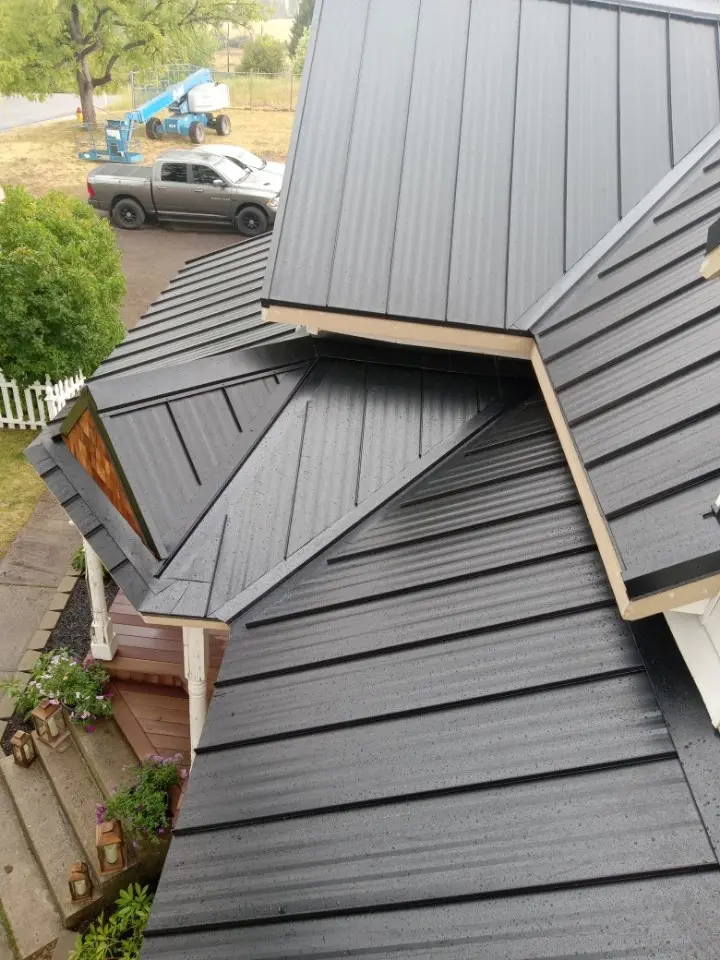
- Standing-seam metal roofing: 40-60+ years. Sheds snow well and shrugs off freeze-thaw. See our metal roofing options.
- Cedar shakes: 20-30 years, but high maintenance and a wildfire consideration in the wildland-urban interface.
- Concrete or clay tile: 40-50+ years, though heavy and less common locally.
Note the overlap: a well-installed, well-ventilated architectural shingle roof can outlast a poorly installed premium one. The number on the package is a ceiling, not a promise.
Why Inland Northwest weather ages roofs faster
Manufacturers test shingles in controlled conditions. Your roof lives in Eastern Washington and North Idaho, where the weather is anything but controlled. A few local realities push roofs toward the lower end of their rated lifespan:
- Heavy snow load. Wet Inland snow is heavy, and it sits. The weight stresses fasteners, flashing, and decking over a long winter.
- Freeze-thaw cycling. Our daily swing above and below freezing in winter is brutal on roofing. Water works into tiny gaps, freezes, expands, and slowly pries materials apart.
- Ice dams. Heat escaping a poorly insulated attic melts snow, which refreezes at the cold eaves, backing water up under the shingles. This is one of the most common causes of premature leaks in the region.
- Intense summer UV and heat. Our hot, dry summers bake the oils out of asphalt shingles, causing them to dry, curl, and become brittle.
- Wind and hail. Spring and summer storms can loosen or tear shingles and bruise the protective granule layer.
The takeaway: a roof rated for 30 years in a mild climate is doing well to hit the mid-20s here, unless it's installed and ventilated for our conditions.
Ventilation: the hidden factor that decides the rest
If we could fix one thing on most aging roofs, it would be attic ventilation. A balanced intake-and-exhaust system keeps the attic close to outdoor temperature, and that does two critical things in our climate.
In summer, it lets superheated air escape instead of cooking the shingles from below, which slows the drying and curling that ends an asphalt roof's life early. In winter, it keeps the roof deck cold and uniform, which is the single best defense against the ice dams that cause so many local leaks. A roof with great shingles and bad ventilation is a roof on a clock. When we quote a roof replacement, we evaluate the whole system, not just what goes on top.
Signs your roof is near the end
Age is a guide, not a verdict. Watch for these warning signs, especially if your roof is past 15 years:
- Curling, cupping, or clawing shingles that no longer lie flat.
- Bald spots where the protective granules have worn off (check your gutters for granule buildup).
- Cracked or missing shingles after wind events.
- Granules in the gutters in noticeable quantity.
- Daylight in the attic or staining on the underside of the roof deck.
- Water stains on ceilings or in upper corners of rooms.
- A sagging roofline, which can signal decking or structural trouble and needs prompt attention.
One isolated problem may only call for a repair. Widespread granule loss and curling across the whole roof usually means the asphalt has reached the end of its service life, and patching becomes throwing good money after bad.
How to get the most years out of your roof
You can meaningfully extend a roof's life with a little attention:
- Get a professional inspection after major wind, hail, or heavy-snow seasons, and roughly every couple of years otherwise.
- Keep gutters clear. Clogged gutters trap water at the eaves and worsen ice dams. A clean drainage path matters, which is one reason we include a 15-25 year workmanship warranty with a replacement.
- Address attic insulation and ventilation to fight ice dams at the source.
- Trim overhanging branches that drop debris and scrape shingles.
- Fix small issues fast. A cracked boot or a few lifted shingles is cheap now and expensive after a winter of leaking.
Good maintenance won't turn a 20-year shingle into a 40-year one, but it routinely buys several extra years and prevents the interior damage that makes a roof failure so costly.
Why installation and warranty matter most
Two identical roofs can have wildly different lifespans based on who installed them. Proper nailing patterns, correctly layered flashing, ice-and-water shield in the right places, and balanced ventilation are what separate a roof that ages gracefully from one that fails early. These details don't show up in a brochure, but they show up about year 15.
That's where credentials matter. DG Contracting is a GAF Master Elite contractor, a designation held by only the top 2-3% of roofers nationwide, and a family-owned business serving the Inland Northwest since 2013. We back our work with a 15-25 year workmanship warranty plus the GAF Golden Pledge, which covers materials for 25 to 50 years. A long manufacturer warranty only protects you if the roof was installed to qualify for it. If you're wondering how much life is left in your current roof, a free estimate and honest inspection is the best place to start.