What Makes a Cold-Climate Roof Different
In the Inland Northwest, your roof is not just shedding rain. It is managing wet, heavy snow loads that can sit for weeks, surviving dozens of freeze-thaw cycles each winter, and fighting the ice dams that form when escaped heat melts snow that then refreezes at a cold eave. Add the wind and occasional hail that roll through Spokane and North Idaho, and you have one of the more demanding roofing environments in the country.
That means the "best" material here is not just about looks or sticker price. It is about how a system performs over decades of stress. The right answer also depends heavily on the details underneath the surface, things like underlayment, ventilation, and ice-and-water shield, which often matter more than the material brand on the box. Below we walk through the realistic options for our climate and where each one shines.
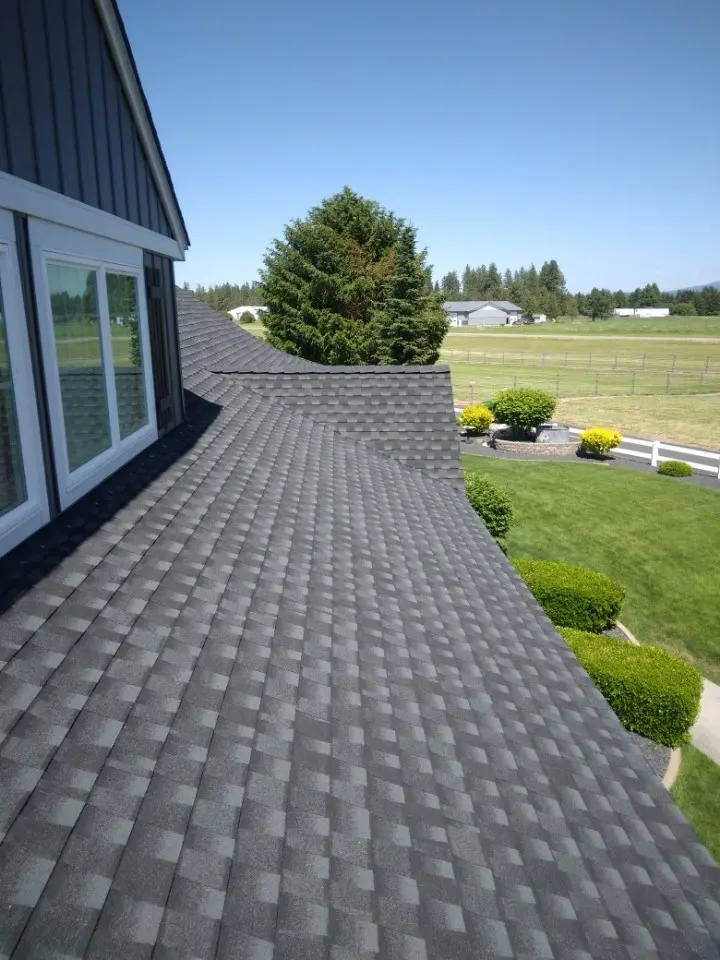
Architectural Asphalt Shingles: The Practical Workhorse
For the majority of homes around Spokane, Spokane Valley, and Coeur d'Alene, modern architectural (also called dimensional or laminate) asphalt shingles remain the most sensible choice. They balance cost, durability, and curb appeal better than almost anything else, which is why they cover most roofs in the region.
Quality architectural shingles typically carry manufacturer warranties in the range of 25 to 50 years and handle freeze-thaw well when installed as a complete system. The key word is system. In our climate, the shingles themselves are only part of the story.
- Wind resistance: Better laminate shingles are rated for high winds, which matters during our gusty fronts.
- Impact ratings: Class 4 impact-rated shingles add hail resilience and can sometimes earn an insurance discount.
- Ice protection: Pairing shingles with self-adhered ice-and-water membrane at the eaves and valleys is what actually protects against ice dams.
As a roof replacement contractor and GAF Master Elite installer, DG Contracting works mostly with premium architectural shingle systems because they deliver the best long-term value for typical Inland Northwest homes.
Metal Roofing: Built to Shed Snow
If there is one material engineered for snow country, it is metal. Standing-seam metal roofing has a smooth, slick surface that encourages snow to slide off rather than accumulate, which reduces sustained load on the structure and limits the conditions that create ice dams. A properly designed metal roof can realistically last 40 to 70 years, often outliving two or three asphalt roofs.
Metal is not without trade-offs. The upfront cost is meaningfully higher than asphalt, sliding snow needs to be managed so it does not damage gutters or land on walkways, and snow guards are usually recommended over doorways and high-traffic areas. Done right, though, metal roofing is one of the most resilient and lowest-maintenance options for our region, and it pairs beautifully with mountain and modern home styles.
- Best for: Steep roofs, homes with heavy snow exposure, owners wanting a multi-decade roof.
- Watch for: Snow-shed management, snow guard placement, and quality of the seams and fasteners.
Other Materials: Where They Fit (and Where They Don't)
A few other materials come up in conversations about cold-climate roofing. Each has a place, but none is a universal fix for the Inland Northwest.
- Synthetic slate and composite shingles: These engineered products mimic slate or shake while resisting freeze-thaw cracking and impact better than natural stone. They cost more than asphalt but can be a strong premium choice.
- Natural slate and clay tile: Extremely long-lived, but heavy, expensive, and brittle in hard freezes. Tile in particular can crack under freeze-thaw and is uncommon and risky in our climate.
- Cedar shake: Beautiful and traditional, but it demands ongoing maintenance, can hold moisture, and carries higher fire and rot concerns. It is a lifestyle commitment more than a low-stress choice.
For most local homeowners, the real decision comes down to premium architectural asphalt versus metal, with synthetic products as an upscale alternative.
Why the System Beats the Shingle
Here is the truth seasoned roofers will tell you: the single biggest predictor of how a cold-climate roof performs is not the material, it is the assembly and the installation. Two roofs with identical shingles can perform completely differently depending on what is underneath and how the home is ventilated.
- Ice-and-water shield: A self-sealing membrane along eaves, valleys, and penetrations is your last line of defense against ice-dam leaks. In our climate it is non-negotiable.
- Attic ventilation: Balanced intake and exhaust keeps the roof deck cold and even, which is the single most effective way to prevent ice dams from forming in the first place.
- Insulation and air sealing: Heat escaping into the attic is what melts snow unevenly and feeds ice dams. A tight, well-insulated attic protects any roof.
- Flashing details: Chimneys, valleys, and wall transitions are where most leaks actually start, regardless of material.
This is why we encourage homeowners to weigh installer quality as heavily as material choice. A premium shingle installed poorly will fail before a mid-grade shingle installed correctly.
Cost vs. Lifespan: Thinking in Decades
It is tempting to compare roofs by price per square, but cold-climate roofing rewards long-term thinking. Asphalt has the lowest upfront cost and a strong cost-to-lifespan ratio, which is why it is so popular. Metal costs more initially but can last decades longer with minimal maintenance, so the annual cost of ownership can actually be competitive over the full life of the roof.
A few questions help frame the decision:
- How long do you plan to stay in the home?
- How much snow and shade does your roof actually get?
- Are you optimizing for lowest upfront cost or longest service life?
- Does the look of metal or synthetic fit your home and neighborhood?
There is no universally correct answer, only the right answer for your home, budget, and goals. DG Contracting also offers flexible financing, which makes stepping up to a metal or premium system more achievable for many families.
Getting It Right in Spokane and North Idaho
DG Contracting is a family-owned, GAF Master Elite contractor, a certification held by roughly the top 2 to 3 percent of roofers nationwide, serving Spokane, Spokane Valley, Coeur d'Alene, and North Idaho since 2013. We back our work with a 15-25 year workmanship warranty alongside the available GAF Golden Pledge coverage, and we include up to a 15-25 year workmanship warranty with a qualifying roof replacement.
Whether you are leaning toward a premium architectural shingle system or a long-life metal roof, the most valuable first step is an honest assessment of your specific roof, attic, and snow exposure. We are happy to walk you through the options with no pressure. Request a free estimate and we will help you choose the system that holds up to Inland Northwest winters for the long haul.