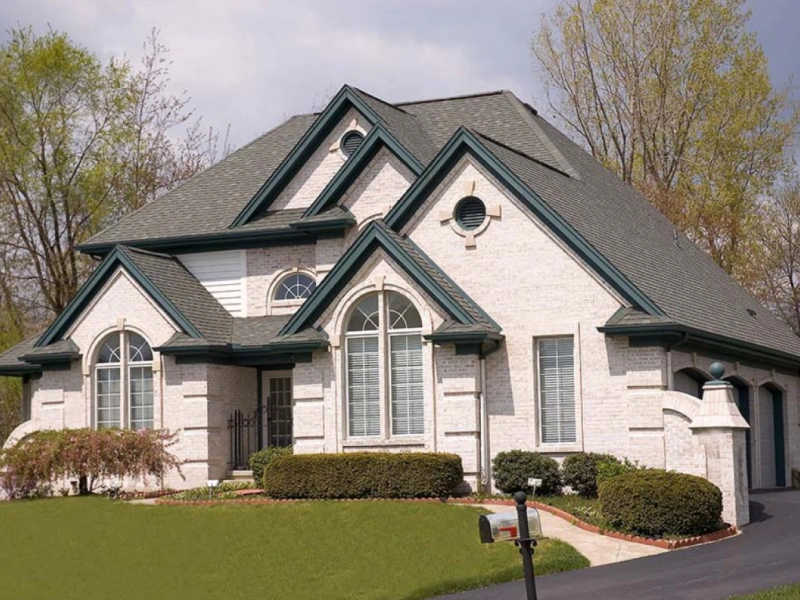
Why Roof Leaks Are Sneaky in the Inland Northwest
If you have ever found a water stain on the ceiling and assumed the roof is leaking directly above it, you are in good company. Roof leaks rarely announce their location honestly. Water enters at one point, travels along rafters, decking, or the underside of the roof deck, and finally drips down where a nail, seam, or low spot lets it fall. By the time you see a stain in the living room, the actual entry point may be several feet uphill.
In Spokane, Spokane Valley, Coeur d'Alene, and the rest of North Idaho, the problem is amplified by our climate. Heavy snow loads, repeated freeze-thaw cycles, and ice dams force water uphill under shingles in ways that summer rain never would. Wind-driven rain and the occasional hail event open up new paths. That means a leak you notice in February may have started forming months earlier.
The goal of this guide is to help you think like a roofer: find the real source, limit the damage right now, and make a smart call about whether you are looking at a quick repair or something bigger.
First Step: Protect the Inside While You Investigate
Before you climb anywhere or grab a flashlight, stop the interior damage. Water that sits in drywall and insulation invites mold within a day or two, so acting quickly matters more than acting perfectly.
- Catch and contain. Put a bucket or bin under the active drip and lay towels around it.
- Relieve a bulging ceiling. If you see a sagging, water-filled bubble in drywall, gently poke a small hole at its lowest point with a screwdriver to let the water drain into a bucket. A controlled hole is far cheaper to patch than a collapsed ceiling.
- Move and cover. Shift furniture and electronics out of the path and cover what you cannot move.
- Photograph everything. Date-stamped photos of stains, drips, and damaged belongings make any insurance claim far smoother.
Resist the urge to climb onto a wet, snowy, or icy roof. Most Inland Northwest leaks reveal themselves during exactly the weather that makes roofs most dangerous. Investigate from inside first.
Tracing the Leak From the Attic
The attic is the single best place to find a leak, because you can usually follow the water trail back to daylight. Wait for daytime, bring a bright flashlight, wear a dust mask, and step only on the joists or sturdy decking, never on the insulation between them.
- Look for water stains and trails. Dark streaks on the underside of the decking or running down a rafter point you uphill toward the entry.
- Check the obvious suspects. Most leaks happen at penetrations, not in the open field of the roof. Inspect around plumbing vent boots, the furnace or bathroom exhaust flashing, chimneys, skylights, and any spot where two roof planes meet (valleys).
- Hunt for daylight. A pinhole of light through the decking is a literal hole. Mark it by pushing a nail or wire up through it so you can find the matching spot on the exterior.
- Watch for frost or condensation. Not every wet attic is a leak. Poor ventilation in our cold months can cause condensation that mimics a leak. Frost on nail tips that melts and drips on a warm day is a ventilation problem, not a hole.
If you can run a garden hose in mild weather, having a helper spray small sections of the roof while you watch from the attic is the most reliable way to confirm an entry point. Work from the bottom up and give each area several minutes.
The Usual Culprits on Spokane and North Idaho Roofs
After thousands of roof inspections, the same handful of failure points show up again and again. Knowing them helps you investigate efficiently:
- Cracked pipe boots. The rubber collar around plumbing vents dries out and splits, often within 10 to 15 years. This is one of the most common leaks we see and one of the cheapest to fix.
- Failed flashing. Metal flashing around chimneys, skylights, and wall intersections loosens or corrodes. Caulk that someone smeared on years ago eventually cracks.
- Ice dams. When attic heat melts snow that refreezes at the cold eave, water pools and backs up under the shingles. This is a defining Inland Northwest leak and usually points to insulation and ventilation issues, not just the shingles.
- Missing or wind-lifted shingles. A gusty storm can peel or crack shingles, exposing the underlayment.
- Clogged or undersized gutters. Overflowing gutters push water back under the roof edge and rot the fascia. Keeping them clear is basic but vital.
- Nail pops and old, brittle shingles. An aging asphalt roof simply loses its weather seal, and leaks start showing up in multiple places at once.
Temporary Fixes That Buy You Time
If you have located a leak but cannot get a permanent repair done immediately, a few temporary measures can limit damage. These are stopgaps, not solutions.
- Roofing tape or sealant on a dry surface. If you can safely reach a cracked boot or small gap during dry, mild weather, peel-and-stick flashing tape can slow water until a real repair happens.
- A roof tarp. A securely fastened tarp running from the ridge down over the leak area, with the top edge tucked under shingles, sheds water effectively. The keyword is securely; a loose tarp in our wind does nothing.
- Knock down ice dams carefully. A roof rake used from the ground can pull snow off the eaves and reduce ice dam pressure. Never use a hammer, hatchet, or salt directly on shingles; you will damage the roof.
Avoid the temptation to fix a leak with a tube of roofing cement smeared over everything. It traps moisture, hides the real problem, and usually makes the eventual professional repair more expensive.
Repair or Replace? How to Decide
Once the source is found, the real question is whether you patch it or invest in a new roof. A single failed pipe boot on an otherwise healthy 8-year-old roof is a clear repair. But several factors push toward replacement:
- Age. Asphalt shingle roofs in our climate typically last roughly 20 to 25 years. If yours is past 18 to 20 and leaking, repairs are often just delaying the inevitable.
- Multiple leaks. Leaks appearing in several spots usually mean the roof's weather barrier is failing broadly, not in one place.
- Widespread granule loss, curling, or brittle shingles. These signal an aged system.
- Decking damage. If water has rotted the plywood or OSB underneath, a surface patch will not hold.
An honest inspection is the deciding factor. A reputable contractor will tell you when a targeted repair is the right call instead of pushing a full tear-off. If replacement does make sense, modern roof replacement options and durable metal roofing both handle snow loads and ice exceptionally well.
When to Call DG Contracting
Some leaks are within a careful homeowner's reach to diagnose, but anything involving steep pitches, chimney or skylight flashing, structural rot, or a roof more than one story up is genuinely dangerous to work on, especially in winter. There is no shame in calling a professional; falls from roofs are a leading cause of serious home-improvement injuries.
DG Contracting LLC has been serving Spokane, Spokane Valley, Coeur d'Alene, and North Idaho since 2013 as a family-owned, licensed and insured company in both Washington and Idaho. As a GAF Master Elite contractor, a designation held by only the top two to three percent of roofers nationwide, our work is backed by a 15-25 year workmanship warranty and the GAF Golden Pledge coverage on qualifying replacements. We have earned a 5.0 rating across nearly 300 Google reviews by being straight with homeowners about what they actually need.
If you have a leak you cannot trace, or you want a professional opinion on repair versus replacement, schedule a free estimate. We will find the real source, explain your options plainly, and help you protect your home before the next freeze-thaw cycle does more damage.