Why Roofs Fail Faster in the Inland Northwest
A roof that might last 25 years in a mild climate often shows wear sooner here in the Inland Northwest. Spokane and North Idaho roofs take a beating from heavy winter snow loads, repeated freeze-thaw cycles, ice dams along the eaves, intense summer UV, and the occasional wind or hail event. Each of these stresses shingles, flashing, and sealant in a different way, and the damage adds up.
The good news is that a roof almost always warns you before it fails completely. Knowing what to look for, and acting before a small problem becomes water in your attic, can save thousands of dollars. Below are 10 signs worth watching, roughly in the order homeowners tend to notice them. If several apply to your roof, it is time for a closer look.
1. Your Roof Is Simply Old
Age is the single biggest predictor of roof problems. A standard three-tab asphalt shingle roof typically lasts about 15 to 20 years, while architectural (dimensional) shingles often reach 25 to 30 years under good conditions. Our harsh winters tend to land you on the shorter end of those ranges.
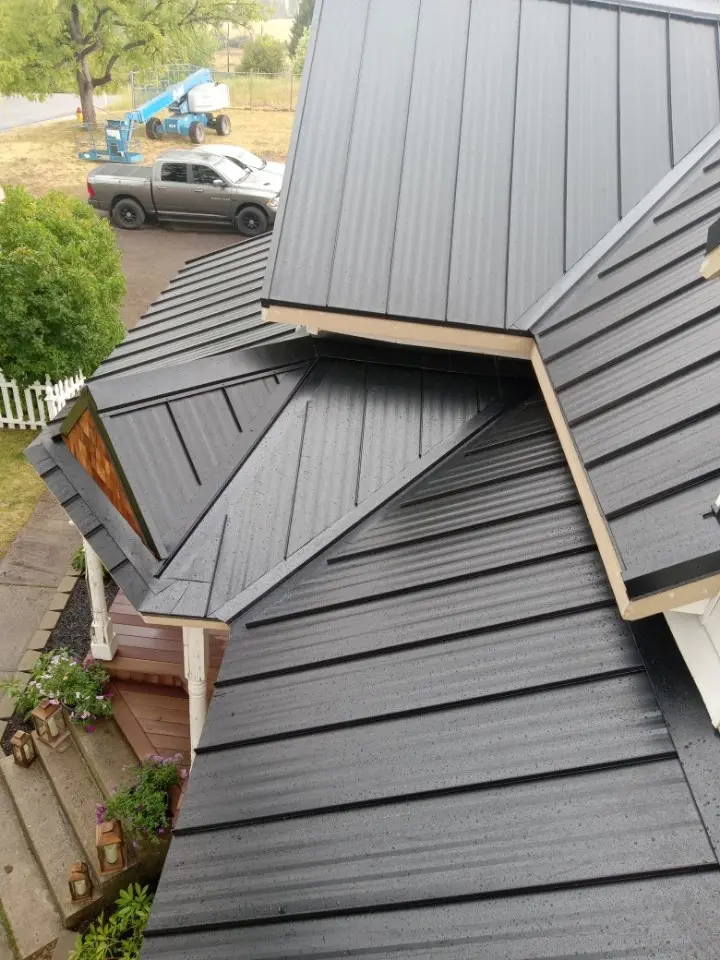
If you do not know your roof's age, check for clues: a permit record, a note in your home inspection, or the previous owner's paperwork. As a rough rule, if your asphalt roof is past 20 years and you are seeing any of the signs below, replacement usually makes more financial sense than another patch. Longer-lasting metal roofing is worth considering at replacement time, since it sheds snow well and can last 40 years or more.
2. Curling, Cupping, or Clawing Shingles
Healthy asphalt shingles lie flat. When they start to curl up at the edges (cupping) or the center lifts while edges stay down (clawing), the shingle has lost flexibility and is near the end of its life. Curled shingles also let wind and water get underneath, which accelerates the damage.
Curling is often worst on the sunniest, most weather-exposed slopes and around poorly ventilated attics, where trapped heat bakes the shingles from below. A few curled tabs may be a repair; widespread curling across a slope is a replacement signal.
3. Cracked, Broken, or Missing Shingles
Spokane and Coeur d'Alene roofs see strong gusts during storms, and aging shingles become brittle in cold weather. The result is cracked, torn, or missing shingles, especially after a windy night. A few missing shingles can be replaced, but if you are losing them repeatedly across the roof, the field is failing and the underlying mat is exposed to UV and moisture.
Check the ground and gutters after storms. Finding shingle pieces or tabs in the downspout splash zones is a clear sign of trouble overhead.
4. Granules in the Gutters
The sand-like granules that coat asphalt shingles protect them from UV and add fire resistance. As shingles age, they shed these granules. A little granule loss on a brand-new roof is normal break-in; heavy, ongoing loss is not.
Look for granule buildup in your gutters and at the bottom of downspouts, plus bare, dark, or shiny patches on the shingles themselves. Once the granule layer is gone, the asphalt degrades quickly under our summer sun. Significant granule loss across the roof usually means the shingles are in their final years.
5. A Sagging or Uneven Roofline
Stand back and look at your roof's ridge and slopes against the horizon. They should be straight and flat. Any visible sag, dip, or wave is a warning sign that something structural may be wrong, often trapped moisture rotting the decking, or accumulated stress from years of heavy snow loads.
A sagging roofline is the one sign on this list you should not put off. It can point to compromised sheathing or even rafters, and it raises real concerns during a snowy winter. Have it inspected promptly so a professional can determine whether it is decking, framing, or both.
6. Leaks, Water Stains, or Daylight in the Attic
The attic tells the truth about your roof. On a sunny day, head up with a flashlight and look for water stains on the underside of the decking, damp or compressed insulation, a musty smell, or actual daylight coming through the boards. After a rain, look for active drips or wet spots.
Inside the living space, brown or yellow stains on ceilings and upper walls are classic leak signatures. A single small leak around a vent or skylight may be a flashing repair. Widespread staining, multiple leak points, or rot in the decking generally means the roofing system has failed and needs replacement.
7. Failing or Rusted Flashing
Flashing is the metal that seals the vulnerable joints of a roof, around chimneys, skylights, vents, and in the valleys where two slopes meet. Most leaks start at flashing, not in the open field of shingles. Look for rusted, cracked, lifted, or loose flashing, and for old tar or caulk that has dried and split.
Valleys deserve special attention here because they channel huge volumes of snowmelt and rain. Worn valley flashing combined with our freeze-thaw cycles is a common source of hidden leaks.
8. Ice Dams and Recurring Eave Leaks
Ice dams are an Inland Northwest classic. They form when heat escaping into the attic melts snow on the upper roof; the water runs down and refreezes at the cold eaves, building a ridge of ice that backs water up under the shingles. The result is leaks at the edges of the roof and along exterior walls.
Occasional ice dams point to insulation and ventilation problems. But if you fight ice dams every winter and have leaking at the eaves, the roof may lack proper ice-and-water shield underlayment, which modern installations include along the eaves and valleys. A roof replacement is the opportunity to correct this with better underlayment, ventilation, and insulation together.
9. Moss, Algae, and Trapped Moisture
Shaded, north-facing slopes and tree-covered lots in our region grow moss and dark algae streaks. Algae is mostly cosmetic, but moss is a real threat: it holds moisture against the shingles, lifts the edges as it grows, and speeds up rot and freeze-thaw damage.
Light moss can sometimes be treated and the conditions corrected by trimming branches and improving airflow. Thick, established moss across a roof, especially on older shingles, often signals that moisture has already been working on the layers underneath for years.
10. Rising Energy Bills and a Hot or Stuffy Attic
Your roof is part of your home's thermal envelope. If heating and cooling bills are climbing without an obvious cause, and your attic feels excessively hot in summer or shows frost or condensation in winter, the roofing system and its ventilation may be failing to do their job.
Poor attic ventilation shortens shingle life, fuels ice dams, and traps moisture that rots the decking. A well-designed replacement addresses ventilation and insulation as a system, not just the shingles on top, which is why a professional assessment matters more than a quick patch.
When to Repair, When to Replace, and What to Do Next
Not every warning sign means a full tear-off. A localized problem, a few missing shingles, one leaking flashing detail, or a small storm-damaged area, is often a straightforward repair, especially on a roof under 15 years old. Replacement makes more sense when the roof is near the end of its life span, when problems show up across multiple slopes, or when you find sagging or widespread decking rot.
If you are unsure, get a professional eye on it before winter. DG Contracting LLC is a family-owned, GAF Master Elite contractor (a designation held by only the top 2 to 3 percent of roofers nationwide) serving Spokane, Spokane Valley, Coeur d'Alene, and North Idaho since 2013. We are licensed and insured in both Washington and Idaho, back our work with a 15-25 year workmanship warranty plus the GAF Golden Pledge, and offer flexible financing. Schedule a free estimate and we will tell you honestly whether you need a repair or a replacement.