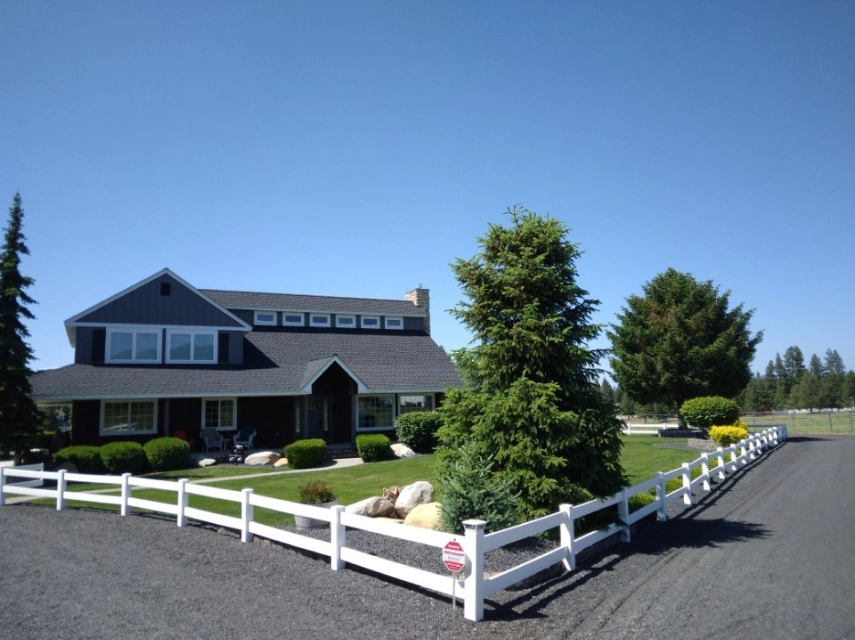
Why Storm Prep Matters in the Inland Northwest
Roofs in the Spokane and Coeur d'Alene area take a beating that most of the country never sees. Over a single year, our shingles deal with heavy wet snow loads, repeated freeze-thaw cycles, summer hail, gusty windstorms rolling off the Palouse and Columbia Plateau, and intense UV during dry July and August. Each of these stresses a roof differently, and the damage tends to be cumulative.
The worst outcomes almost always trace back to a small problem that went unaddressed before a storm. A lifted shingle, a cracked pipe boot, or a clogged gutter is cheap to fix in September and expensive to ignore in January. The goal of storm prep is simple: find and correct the weak points while the weather is calm so your roof can do its job when conditions get rough.
Understand the Threats: Snow, Ice, Wind, and Hail
Knowing what you're defending against makes prep far more effective. Here are the main forces your roof faces in our region:
- Snow load: Wet Inland NW snow is heavy. Drifting and repeated accumulation can stress weaker framing and overload gutters.
- Ice dams: When attic heat melts snow that refreezes at the cold eaves, water backs up under the shingles and into the home. This is one of the most common winter claims locally.
- Freeze-thaw: Water that seeps into tiny cracks expands as it freezes, slowly widening gaps in flashing, sealant, and aging shingles.
- Wind: Spokane sees periodic windstorms with gusts strong enough to lift or tear improperly fastened shingles, especially along ridges and edges.
- Hail: Summer thunderstorms can drop hail that bruises shingles, knocking off the protective granules and shortening roof life even when no leak appears right away.
Start With a Ground-Level Inspection
You don't need to climb up to learn a lot about your roof's condition. From the ground with a pair of binoculars, walk the perimeter of your home and look for warning signs:
- Shingles that are curled, cupped, cracked, or missing
- Bare patches where granules have worn away (often paired with granule buildup at the bottom of downspouts)
- Rusted, lifted, or separated metal flashing around chimneys, valleys, and wall transitions
- Sagging rooflines or a wavy surface, which can signal decking or moisture problems
- Damaged or detached pipe boots, the rubber collars around vent pipes that crack with age and UV
If you spot any of these, make a note and a photo. For anything beyond the obvious, leave the actual roof walking to a professional. Steep, frost-covered, or moss-slick roofs are genuinely dangerous, and a trained eye catches problems an untrained one misses.
Clean and Protect Your Gutters
Gutters are your roof's first line of defense against ice dams and foundation water, but only if they flow freely. Before the leaves finish dropping and the first hard freeze arrives, clear out needles, leaves, and granule debris so meltwater has somewhere to go.
Check that downspouts carry water several feet away from the foundation, and confirm the gutters are still firmly attached. Sagging or pulled-away gutters often point to rotted fascia underneath. Undersized or failing gutters make ice dams worse because trapped water has nowhere to drain. If yours are past their prime, a roof replacement is the natural time to address them. When DG Contracting installs a new roof, we include up to a 15-25 year workmanship warranty, so the whole system works together rather than being patched piecemeal.
Tackle Ice Dams Before They Form
Ice dams are largely an attic problem disguised as a roof problem. The fix is keeping the roof deck uniformly cold so snow doesn't melt and refreeze at the eaves. Two things matter most:
- Attic insulation: Adequate, evenly distributed insulation keeps household heat from reaching the underside of the roof. Gaps around can lights, attic hatches, and ductwork are common culprits.
- Ventilation: A balanced intake-and-exhaust system (soffit vents plus ridge or roof vents) flushes warm, moist air out of the attic and keeps the deck temperature closer to the outside air.
If your home has a history of ice dams, also ask about ice-and-water shield membrane along the eaves and valleys. It's standard on quality new installs in our climate and adds a waterproof barrier exactly where backups occur. Trimming overhanging branches before winter reduces both debris and storm-damage risk as well.
Check Flashing, Seals, and Vulnerable Spots
Most leaks don't start in the open field of shingles. They start at the transitions and penetrations, where the roof has to be sealed by hand. Pay special attention to:
- Chimney and skylight flashing, where caulk and metal age fastest
- Valleys, which channel large volumes of water and ice
- Pipe boots and vent collars, which are notorious for cracking
- Step flashing where the roof meets vertical walls or dormers
Dried, cracked sealant and loose flashing are easy to overlook and easy to fix early. Left alone through a freeze-thaw winter, they become the entry point for water that rots decking and stains ceilings. A focused tune-up now is far cheaper than interior repairs later.
Know When Repair Isn't Enough
Sometimes prep reveals that a roof is simply at the end of its service life. Widespread granule loss, brittle or curling shingles across the whole roof, multiple leaks, or visible decking sag usually mean another patch is throwing good money after bad. Most asphalt roofs in our climate last roughly 20 to 30 years depending on material and ventilation, and aging roofs are exactly the ones that fail under heavy snow or wind.
If you're weighing your options, consider the upgrade in durability that comes with modern systems. A properly installed roof replacement with quality underlayment and ventilation handles our weather far better than a worn-out roof ever could, and metal roofing sheds snow and resists wind and fire with a very long lifespan. DG Contracting is a GAF Master Elite contractor, a status held by only a small fraction of roofers nationwide, which lets us back qualifying installs with the GAF Golden Pledge warranty on top of our own 15-25 year workmanship guarantee.
Document Now, Simplify Insurance Claims Later
If a storm does damage your roof, a clear before-and-after record makes the insurance process far smoother. Take dated photos of your roof and gutters now, while everything is intact, and keep any inspection notes or repair receipts together. After a storm, photograph the damage promptly and avoid making permanent repairs until the area is documented (temporary measures to stop active leaks are fine).
A reputable local contractor can inspect for storm damage and help you understand whether a claim makes sense. DG Contracting has served Spokane, Spokane Valley, Coeur d'Alene, and North Idaho since 2013, and we're happy to provide a free, no-pressure assessment. Catching issues before the season turns is always the least expensive path. Request a free estimate and head into storm season with confidence.