
Why low-slope roofs behave differently here
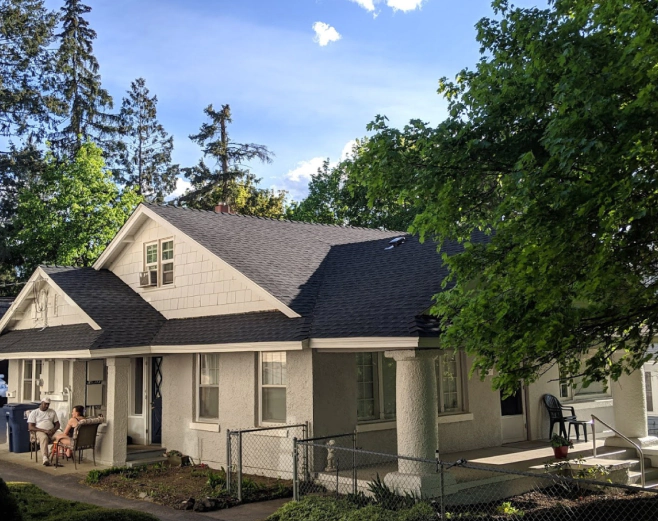
Steep roofs shed water fast. A flat or shallow-pitch roof relies on a continuous, sealed membrane and careful drainage to do the same job, and any failure shows up as ponding rather than runoff. In the Hillyard historic rail district in NE Spokane, that distinction matters because many structures combine a pitched main roof with flat sections over porches, dormers, and rear additions added decades later.
When those flat areas were originally built with rolled asphalt or layered tar, they were never designed for the freeze-thaw cycling the Inland Northwest delivers every winter. Water sits, freezes, expands, and works the seams open. TPO membrane changes that equation entirely.
What TPO brings to Hillyard's older homes
TPO is a single-ply thermoplastic membrane that's heat-welded at every seam, so there are no glued laps to peel and no exposed fasteners to back out. For the older early-1900s homes common throughout the neighborhood, that means a flat roof section can finally be one continuous, watertight surface instead of a patchwork.
- Welded seams that are stronger than the membrane itself
- Reflective white surface that eases summer heat load on top-floor rooms
- Cold-weather flexibility so the membrane moves with the deck through freeze-thaw instead of cracking
- Clean integration with the pitched roof above using proper transition flashing
We size and detail each installation to the building, not to a template, because no two century-old additions are framed the same way.
Drainage, ponding, and ice dams
The most common low-slope complaint we hear in Hillyard is water that won't leave. Decks settle over time, original scuppers clog or rust, and downspout tie-ins get buried under later remodels. Before we lay any membrane, we map where water actually goes and where it stalls.
Where the deck has gone too flat, we build in tapered insulation to restore positive slope toward the drains. That single step often solves ponding that has plagued a roof for years. We also detail the edges and transitions to resist the ice dams that form when heat escapes through aging insulation and refreezes at the cold eave.
Tear-off, deck repair, and the parts you can't see
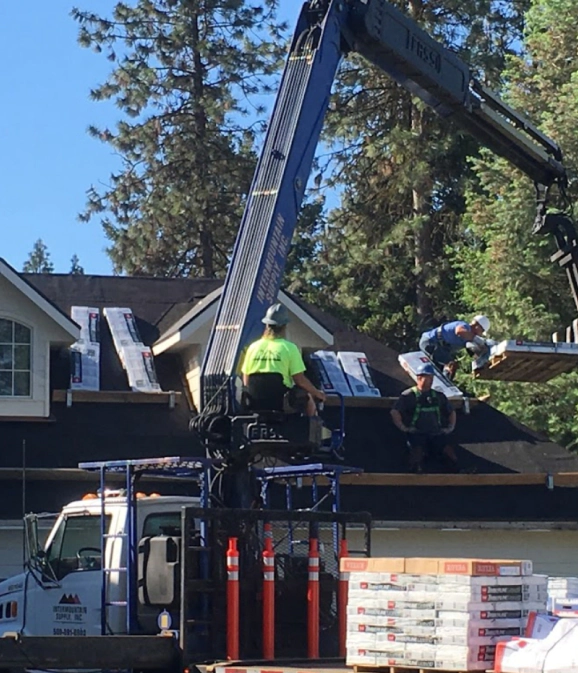
On Market St buildings and the homes around it, what's under the old roofing usually tells the real story. Years of trapped moisture rot the sheathing and sometimes the framing beneath it. We tear off to the deck, replace any compromised wood, and only then install the membrane over fresh, dry insulation.
Skipping that step is how flat roofs fail twice. A membrane is only as sound as the deck it's welded over, so the unglamorous part of the job is the part that determines whether the roof lasts 20 years or two winters.
Backed by warranties that match the work
As a GAF Master Elite contractor, a distinction held by roughly the top two to three percent of roofers nationally, DG Contracting can offer manufacturer-backed coverage most companies can't. Our flat and TPO work carries a 15-25 year workmanship warranty alongside available GAF system warranties, and we're licensed and insured in both Washington and Idaho.
If your project also touches the pitched portion of your roof, we can carry a single, coordinated scope across both. You can learn more about full roof replacement when the main roof has reached the end of its life too.
Working in a historic neighborhood
Hillyard's character comes partly from its age, and we respect that on every job. We keep transitions clean where a modern membrane meets original eaves, fascia, and trim, so a flat roof repair doesn't look bolted on. Free estimates are part of how we start, and with flexible financing available, restoring a leaking low-slope roof doesn't have to wait for spring.
Family owned and operating since 2013, we've spent years learning how this region's snow load, wind, and hail treat aging roofs, and we build for that reality rather than against it.