
Why low-slope roofs need their own playbook here
Pitched shingles work by gravity. A flat or low-slope roof works by seam integrity and drainage design - water leaves slowly, so every lap, penetration, and edge has to be watertight on its own. That distinction matters more on the Five Mile Prairie bluff in north Spokane, where there is little tree cover to slow the wind and snow tends to drift and sit rather than slide off.
We assess the whole assembly before quoting: deck condition, existing slope and any dead spots, insulation, and how water actually reaches the drains or scuppers. On a structure that holds water during freeze-thaw, fixing the membrane without fixing the drainage just resets the clock on the next leak.
TPO membrane built for the wind-exposed plateau
TPO (thermoplastic polyolefin) is our go-to single-ply for low-slope work because its seams are hot-air welded into one continuous sheet rather than glued. Across the wind-exposed plateau, that welded bond is what keeps gusts from peeling an edge or lifting a lap. We pair it with the right attachment method - mechanically fastened or fully adhered - based on your deck and the uplift your roof actually sees.
- Reflective white surface that eases summer heat load on living space below a flat section
- Welded seams and reinforced corners rated to resist wind uplift
- Clean detailing around vents, curbs, skylights, and parapet walls where most flat-roof leaks begin
Snow, freeze-thaw, and ponding on the bluff
Inland Northwest winters are hard on flat roofs in a specific way: snow loads sit, melt against the membrane, refreeze at the edges, and back water into seams and flashing. Where slope is shallow, that meltwater pools and the daily freeze-thaw cycle works at any weak point. On the Five Mile Prairie plateau the open exposure means drifting adds uneven weight on top of all that.
We design for it - confirming positive drainage, reinforcing flashing and terminations, and adding tapered insulation to kill dead spots where water would otherwise stand through a January thaw.
Repairs, recovers, and full replacements
Not every flat roof needs to come off. We'll tell you straight which path fits:
- Targeted repair - re-welding a failed seam, resetting a flashing, or sealing a penetration on an otherwise sound membrane
- Recover - a new membrane over a still-solid deck, when the structure underneath checks out
- Full tear-off and replacement - when the deck, insulation, or drainage need to be rebuilt from the substrate up
Whichever it is, you get a written scope and a clear reason behind the recommendation - no upsell to a tear-off when a repair holds.
Local crews who know these neighborhoods
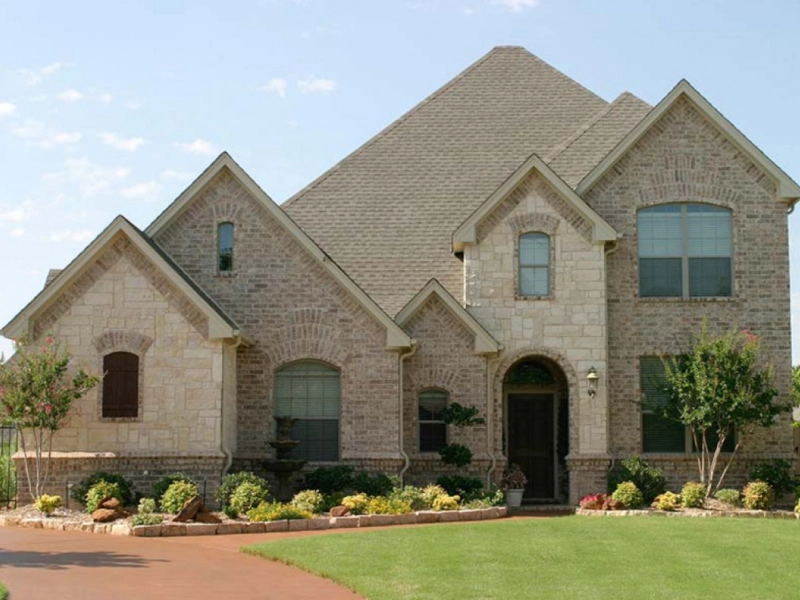
We work throughout the area, including the newer homes near Indian Trail where modern designs often mix steep architectural sections with flat porch covers, low-slope additions, and entry overhangs. Those transition points - where a pitched roof meets a flat one - are exactly where DIY patches and rushed work tend to fail. Tying those planes together correctly is detail work, and it is what we do.
As a GAF Master Elite contractor (a rating held by roughly the top 2-3% of roofers in the country), our installs can carry the GAF Golden Pledge coverage, and our own 15-25 year workmanship warranty stands behind the labor. See how flat work fits the rest of your roof on our roof replacement page.
What it's like to work with us
Estimates are free and unhurried. We get on the roof, document what we find, and walk you through the assembly so you understand the why behind every line of the quote. We're licensed and insured in Washington and Idaho, family owned, and rated 5.0 across 303 Google reviews.
If a replacement is part of the plan, we include up to a 15-25 year workmanship warranty, and flexible financing is available. Call (509) 209-1894 to set up a look at your Five Mile Prairie roof.