
When an inspection actually pays off
Timing matters more than most homeowners think. We tell people in Indian Trail in northwest Spokane to put two inspections on the calendar: one in early fall, so any worn flashing or lifted shingles get caught before the first heavy snow, and one in spring, after months of freeze-thaw have had a chance to pry at seams and fasteners.
Outside of that routine, there are trigger events worth a call. Schedule an inspection if you have just bought a home, if a wind or hail storm rolled through, if you spot granules collecting in your downspouts, or if you see any staining on an interior ceiling. Catching a small problem at the right moment is the difference between a quick repair and a torn-out, water-damaged deck.
What the Inland Northwest does to a roof here
Our climate is hard on roofing in specific, predictable ways, and a good inspection looks for the damage this region actually produces. Heavy snow loads stress fasteners and ridges. The daily freeze-thaw swing works moisture into hairline cracks and widens them. Ice dams form at the eaves and force meltwater back up under the shingles. Wind and hail loosen and bruise the surface long before a leak shows up inside.
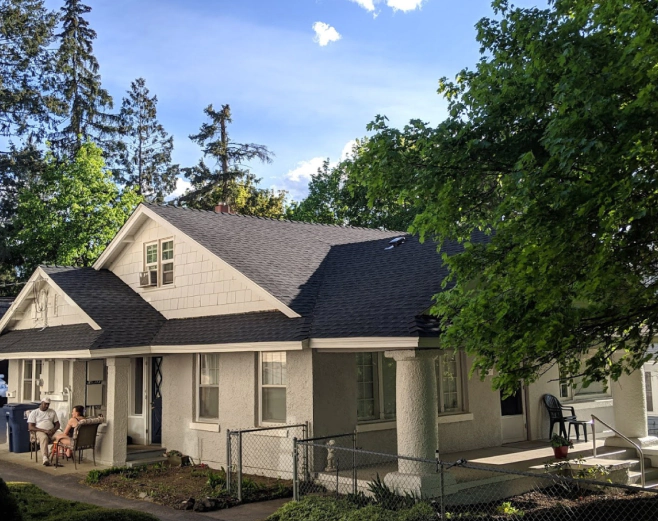
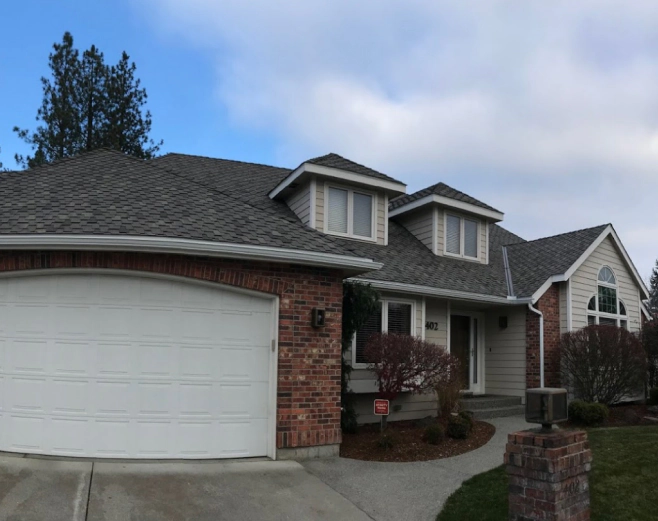
The newer subdivisions around Indian Trail are not exempt. A ten- or fifteen-year-old roof on a newer build can still have failing pipe boots, sun-baked sealant, or storm damage the original owner never noticed. We inspect for what the seasons leave behind, not just for visible holes.
What we check, top to bottom
A DG Contracting inspection is methodical. We walk the roof when it is safe to do so and document the condition of every system that keeps water out:
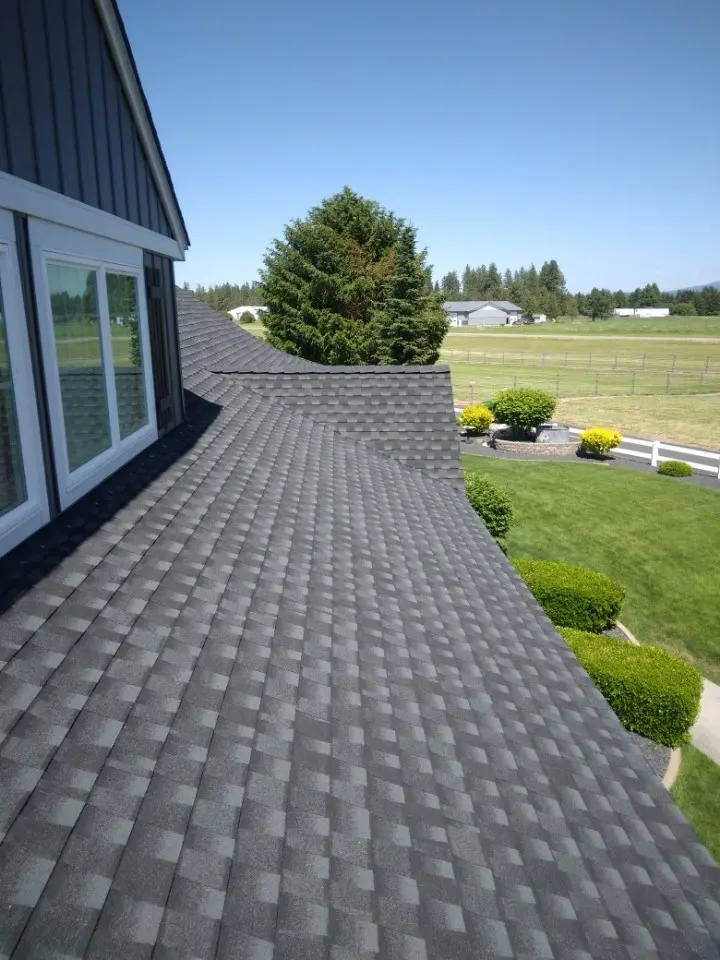
- Shingles and field: granule loss, curling, cracking, blistering, and hail bruising
- Flashing and penetrations: chimneys, valleys, pipe boots, and vents where leaks most often start
- Eaves and ice-dam zones: signs of past meltwater backup and damaged underlayment
- Gutters and drainage: debris, sagging, and whether water is actually getting away from the house
- Attic and decking: moisture, daylight, staining, and ventilation that drives so much roof aging
You get a clear, honest report with photos, not a sales pitch. If the roof has years left, we will tell you so.
Homes near wooded draws and tree cover
A lot of Indian Trail sits against wooded draws, and those mature pines and firs change what an inspection needs to cover. Overhanging branches drop needles that clog valleys and gutters, trap moisture against the shingles, and feed moss in the shaded sections of a roof. Limbs that rub in the wind scuff the surface over time.
When we inspect a tree-shaded home, we pay extra attention to the north-facing slopes and the debris that collects where roof planes meet. Clearing that buildup early is one of the cheapest ways to add years to a roof in this part of town.
Local, accountable, and easy to reach
DG Contracting has been a family-owned roofer since 2013, and we work the neighborhoods near Five Mile and across the Indian Trail corridor regularly. As one of the small share of contractors holding GAF Master Elite certification, we are held to standards most companies never meet, which is why we can back our work with a 15-25 year workmanship warranty and the GAF Golden Pledge coverage.
We are licensed and insured in both Washington and Idaho, and our inspections are always free with no obligation. If an inspection does turn into a full replacement, we back every roof with a 15-25 year workmanship warranty. See our roof replacement options if it comes to that, or just start with the inspection. Call (509) 209-1894.