
Why a young roof leaks in a blow
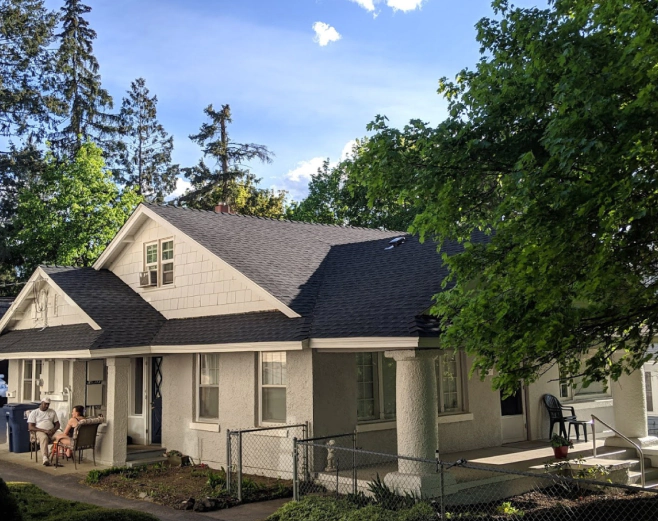
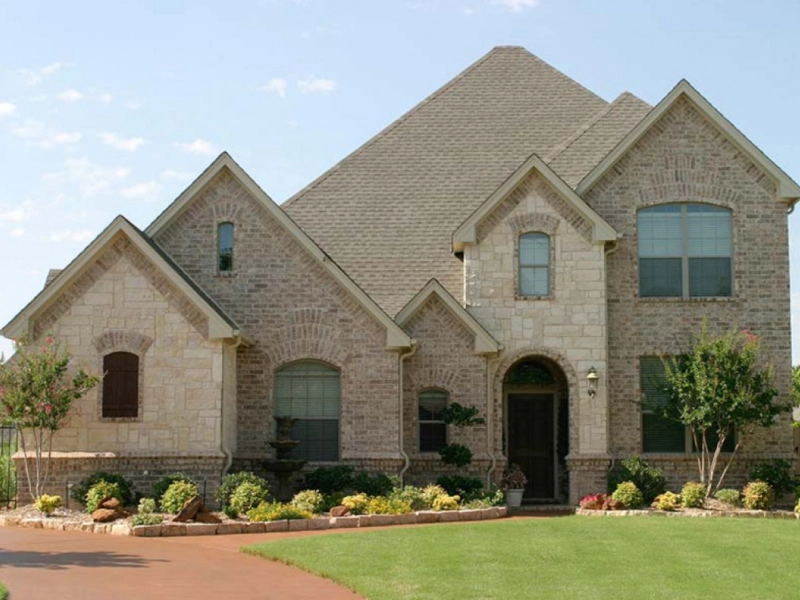
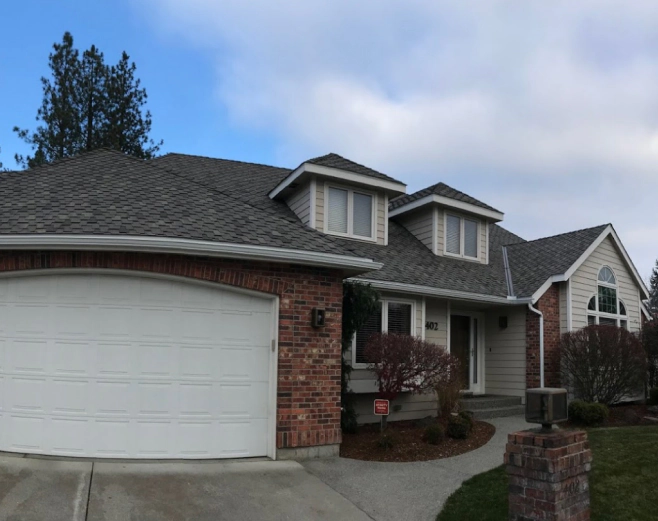
Drive the newer subdivisions off Indian Trail Road and most of the rooflines look young - shingles still mostly intact, twenty years old or less. So homeowners are caught off guard when a windy spring downpour leaves a damp patch on the bedroom ceiling. The shingles are not the problem. The flashing is.
During the building boom that filled out NW Spokane, roofs went up on tight production schedules. Step flashing at sidewalls got short-cut, kick-out flashing at roof-to-wall terminations was skipped, and chimney and skylight details were sealed with a bead of caulk instead of properly woven metal. On a calm rainy day water runs straight down and never finds the gap. But when wind pushes the rain uphill and sideways, it drives under shingle courses and behind those shortcuts - and that is the leak you are chasing.
The spots we check first
On a wind-driven leak call in Indian Trail we do not start at the obvious wet spot inside. We start where builder-grade detailing tends to fail:
- Sidewall and headwall flashing - where a lower roof meets a taller wall, often the first place a caulk-only detail lets go.
- Missing kick-out flashing - the small diverter at the bottom of a roof-wall junction that, when absent, dumps water straight into the wall cavity.
- Chimney and skylight perimeters - counter-flashing that was face-nailed or relied on sealant rather than being cut into the masonry.
- Field nailing and exposed fasteners - high-nailed or overdriven shingles that lift in gusts off the open ground around these developments.
Because so many homes here back up to the wooded draws near Five Mile, we also look at how wind funnels through those gaps and loads one slope of the roof harder than the rest.
How we track a wind-driven leak
Wind-driven water can enter the roof several feet from where it shows up on your ceiling, traveling along rafters and decking before it finally drips. So a careful diagnosis matters far more than a quick patch.
We map the leak from both sides - inside the attic, following the stain back to the actual entry point, then on the roof confirming the failed detail. We document what we find with photos so you can see the gap for yourself rather than taking our word for it. Then we repair the flashing the way it should have gone in the first time: woven metal, proper laps, the right fasteners in the right places. If you would rather understand the whole roof before committing, our roof replacement in Indian Trail page lays out what a full re-roof involves.
Repair it, or is it bigger than that?
Most wind-driven flashing leaks on a younger Indian Trail roof are genuinely a repair - a bit of metal and labor, not a new roof. We will tell you straight when that is the case.
We will also tell you straight when a repair is throwing good money after bad. If water has been getting in for several seasons and the decking under the entry point has gone soft, or if the same builder-grade detail failed in multiple places at once, you may be better served addressing the whole roof. Either way you get an honest answer and a written estimate, free, before any work starts.
Built for inland Northwest weather
A flashing repair only lasts if it accounts for our climate. The same homes that take wind-driven rain in spring face heavy snow, freeze-thaw cycling, and ice dams in winter, and a detail that merely sheds calm rain will fail again the next time conditions turn. When we rebuild a sidewall or chimney detail we use metal flashing layered to handle water coming from any direction, not a sealant bead that dries out and cracks in a couple of seasons.
Matching matters too. We work to blend new shingles into the surrounding field so a repair on a visible front slope does not stand out from the street.
Why Indian Trail homeowners call DG Contracting
We are a family-owned company, founded in 2013 and based just up the road in Colbert, so NW Spokane roofs are home turf for us. We are GAF Master Elite certified - a credential held by only the top 2 to 3 percent of roofers nationwide - and our work carries a 15-25 year workmanship warranty on top of GAF's manufacturer coverage.
We are licensed and insured in both Washington and Idaho, our Google rating sits at a perfect 5.0 across 303 reviews, and estimates are always free. If a repair conversation turns into a replacement, we include a 15-25 year workmanship warranty. Reach us at (509) 209-1894.