
When a Moran Prairie roof actually needs eyes on it
Most homeowners only think about the roof after a stain shows up on a bedroom ceiling. By then you are usually looking at repairs that could have been a 20-minute fix months earlier. We recommend a documented inspection on a predictable schedule rather than a reactive one.
- Twice a year - a fall check before snow piles on, and a spring check after freeze-thaw has worked the flashing loose.
- After any wind or hail event - the gusts that funnel across the open acreage off the Palouse Hwy can lift and crease shingles you would never spot from the driveway.
- Before you buy or sell - a clear-eyed report protects both sides of a transaction in this market.
- When the roof passes 12 to 15 years - this is when small problems start compounding and a baseline assessment pays off.
What the Inland Northwest climate does up there
Moran Prairie sits high and exposed on the south edge of Spokane, and that elevation changes the math. Snow arrives earlier and lingers longer than it does down in the valley, and the daily freeze-thaw cycle is relentless from December through March.
That cycle is what drives ice dams - meltwater backs up behind a ridge of frozen snow at the eaves and forces itself under the shingles. It is also what splits aging sealant, pops fasteners, and pries at the metal around your chimney and vents. An inspection catches the early warning signs - granule loss, lifted edges, rust streaks - while they are still cheap to address.
How we inspect, point by point
A real inspection is more than a glance from the ground. When we are on a roof off 57th Ave or out on one of the newer builds on the surrounding acreage, we work through a consistent checklist:
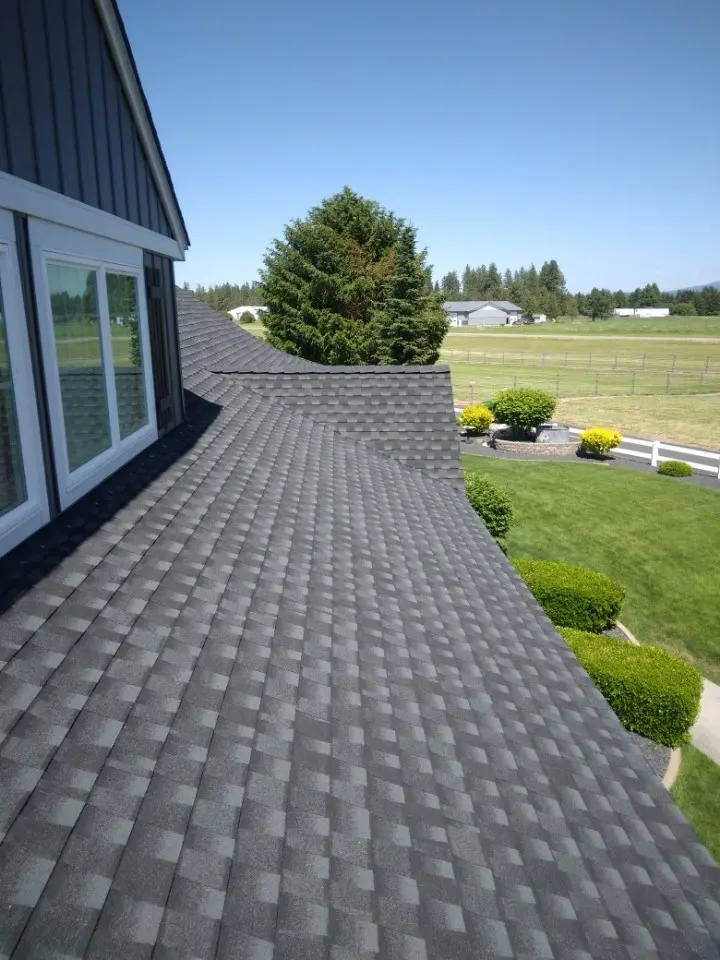
- Field shingles - granule wear, curling, cracking, and impact bruising from hail.
- Flashing and penetrations - chimneys, skylights, plumbing boots, and wall transitions where most leaks actually start.
- Valleys and eaves - the high-traffic water paths and the zones where ice dams form.
- Ventilation and the attic side - poor airflow is the hidden cause of premature aging and winter condensation.
- Gutters and drainage - whether water is being carried away from the foundation or dumping at the base of the walls.
A straight report, not a sales pitch
You get a plain-language summary with photos of anything we flag, sorted by what needs attention now and what can wait a season. If the roof is sound, we will tell you that and tell you when to look again. If it needs work, you will see exactly why.
Because we are GAF Master Elite certified - a credential held by only the top two to three percent of roofers nationwide - any repair or replacement we recommend can be backed by the GAF Golden Pledge warranty, with our own 15-25 year workmanship guarantee on top. If a full replacement is the honest answer, we back every roof with a 15-25 year workmanship warranty. Curious what comes next? See our roof replacement options in Moran Prairie.
Built for newer homes and semi-rural acreage alike
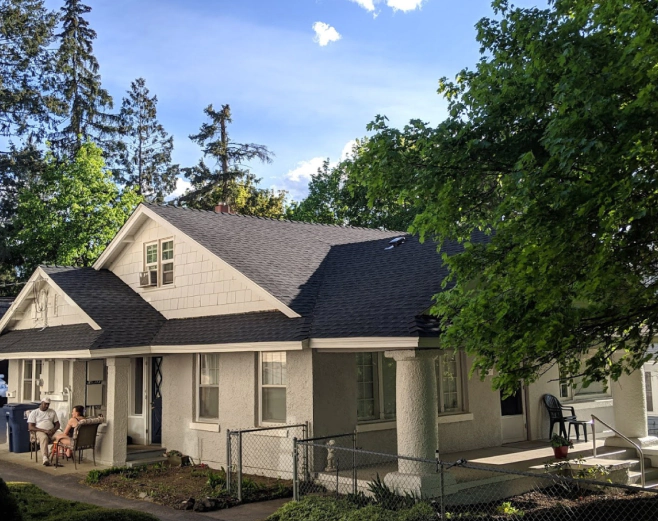
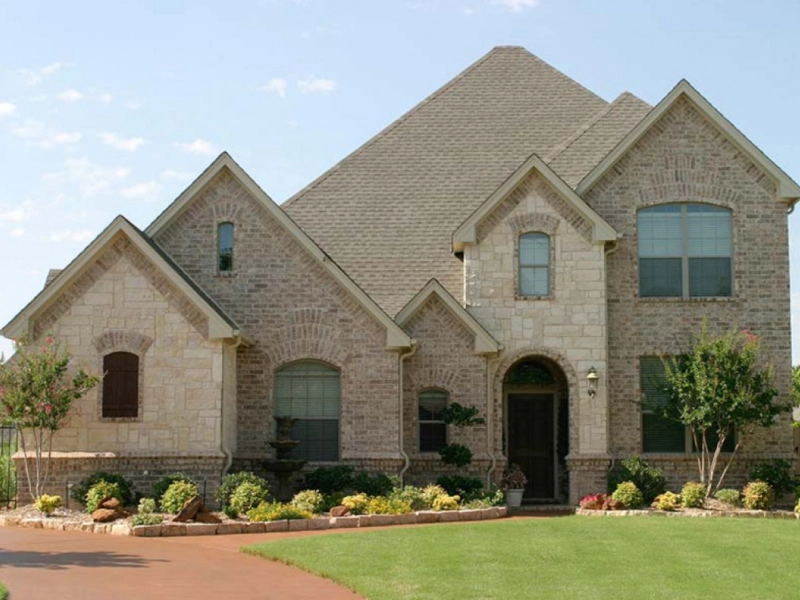
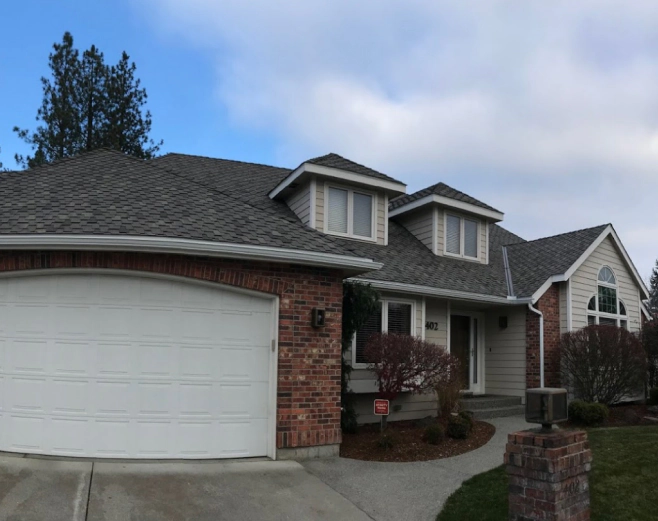
The housing mix out here runs from established neighborhoods to newer construction on larger lots, and each comes with its own quirks. Newer roofs are often still under manufacturer coverage, and a documented inspection helps you preserve that warranty by catching installation or storm issues before a deadline passes.
On the more rural acreage, longer roof runs, detached shops, and exposure to open wind all add variables a generic checklist misses. We inspect the whole envelope - house, outbuildings, and gutters - so nothing slips through.
Local, family-owned, and easy to reach
DG Contracting has been working on Inland Northwest roofs since 2013, and we are licensed and insured in both Washington and Idaho. We hold a perfect 5.0 rating across 303 Google reviews because we show up, we are honest, and we explain what we find.
Scheduling an inspection is straightforward and the estimate is free. Call (509) 209-1894 and we will set a time that works around the south Spokane weather window.