
Why low-slope roofs behave differently here
Water does not race off a flat or near-flat deck the way it sheds from a steep gable. It lingers, finds the lowest point, and works at every seam and penetration until it finds a way in. On a Moran Prairie property where a one-story ranch meets an attached garage or a covered porch, those transition zones are exactly where leaks begin.
Pitched-roof shingles are not designed for this. A true low-slope assembly relies on a continuous, heat-welded membrane that has no individual pieces for wind to lift or water to creep under. That is the core reason TPO and similar single-ply systems exist - and why we install them as a sealed envelope rather than a patchwork.
What TPO brings to a south Spokane home
TPO (thermoplastic polyolefin) is a single-ply membrane that gets seam-welded with hot air into one monolithic surface. For homes along the Palouse Hwy and 57th Ave corridor, that matters in a few specific ways:
- Welded seams, not adhesives - the bonded joints are as strong as the sheet itself, so there is no glue line to fail in a freeze-thaw cycle.
- Reflective surface - the light-colored membrane pushes back summer heat instead of baking the deck below, which helps on the long, exposed roof planes of newer builds.
- Cold-weather flexibility - the material stays pliable as temperatures swing, rather than cracking the way aged built-up coatings tend to.
We also install modified-bitumen and other low-slope systems where they fit a structure better, so the membrane gets matched to the roof rather than the other way around.
Ice dams and standing water on flat sections
The Inland Northwest hands low-slope roofs two of their worst enemies at once: heavy snow load and repeated freeze-thaw. Snow sits on a flat deck instead of sliding off, then melts during the day and refreezes at the edges overnight. That cycle forms ice dams and ponding that ordinary roofing simply cannot survive long-term.
Our low-slope work starts with drainage and detailing, not just the membrane. We confirm the deck sheds toward its drains or scuppers, build up positive slope where a roof has gone flat over the years, and reinforce every parapet, curb, and pipe boot - because on flat roofing, the penetrations fail long before the field does.
Built for Moran Prairie's mix of homes
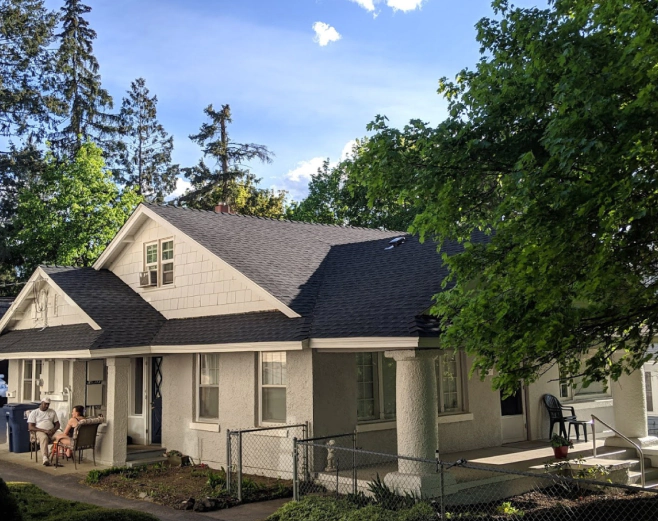
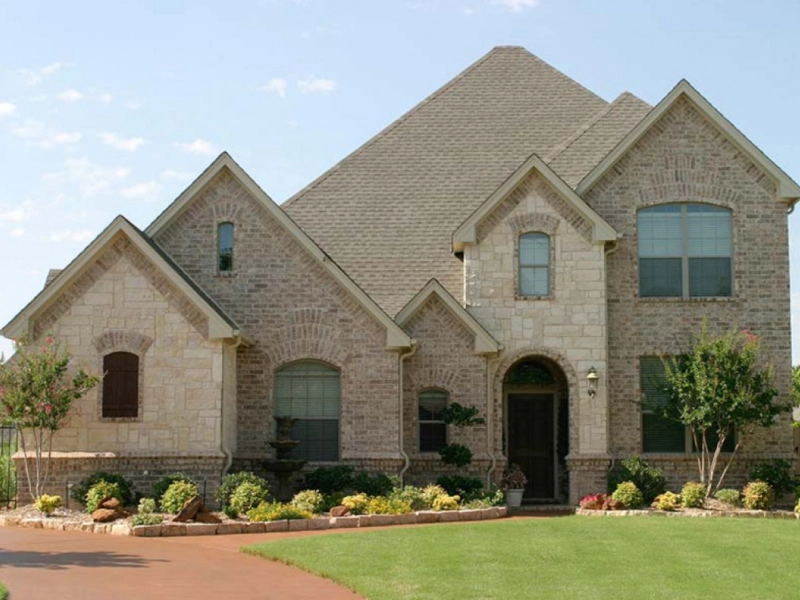
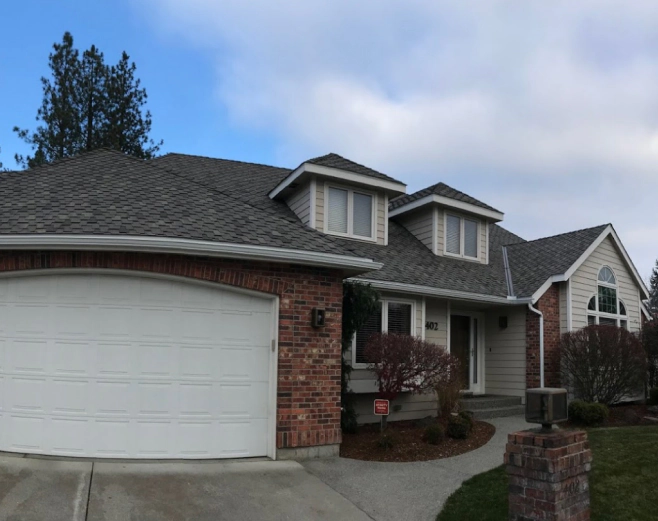
This part of south Spokane is not one kind of house. There is semi-rural acreage and newer homes side by side - 1970s ranches with flat-roofed additions next to recently built places designed with intentional low-slope architecture. Each calls for a different approach.
On older additions we frequently find an aging built-up or rolled roof that was never properly tied into the main pitched roof. On newer homes the flat sections are usually a design choice that needs a membrane chosen for longevity from the start. We assess what is actually on your deck before recommending anything, and you can request a free estimate to get that walkthrough.
How we install and back the work
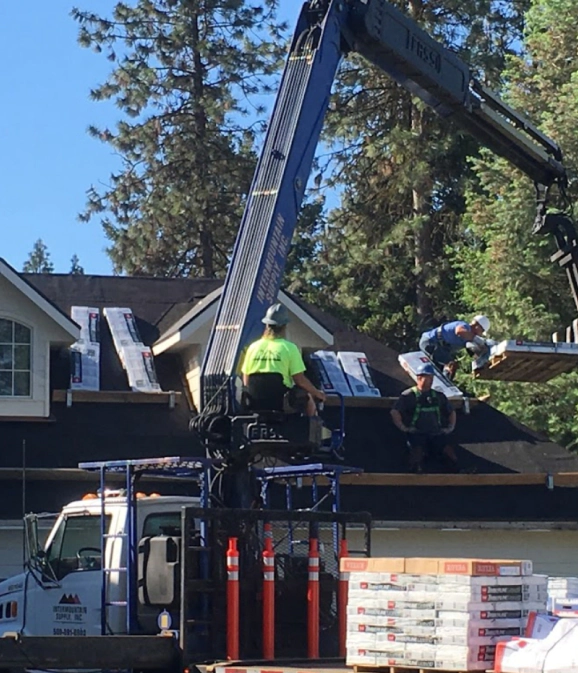
Every low-slope project is documented from tear-off forward: we photograph the bare deck, replace any rot or soft sheathing, and only then lay insulation and membrane. Flashings at walls and curbs are detailed by hand, and seams are probe-tested after welding so nothing is taken on faith.
As GAF Master Elite contractors - a credential held by only the top 2-3% of roofers nationwide - we back qualifying installations with the GAF Golden Pledge and add our own 15-25 year workmanship warranty on top. Founded in 2013 and family run, DG Contracting is licensed and insured in both Washington and Idaho, and we offer flexible financing to spread the cost.
Repair, recoat, or replace?
Not every flat roof needs to come off. A membrane with a few failed seams and otherwise sound material is often a repair. A sun-worn surface that still has structure underneath can sometimes be recoated to add years. But a deck that has been ponding for seasons, or one trapping moisture in the insulation, has usually crossed into replacement territory.
We give you the honest version of where your roof sits and what each path costs, rather than defaulting to the largest job. If you are getting a full replacement, we back every roof with a 15-25 year workmanship warranty.