Why drainage fails up on the prairie
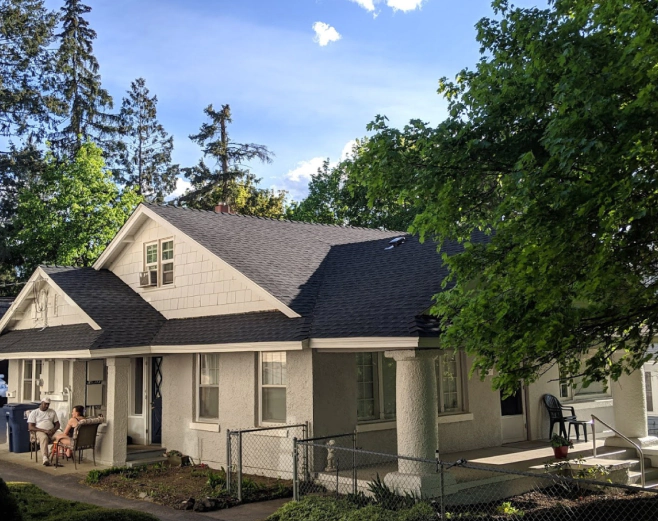
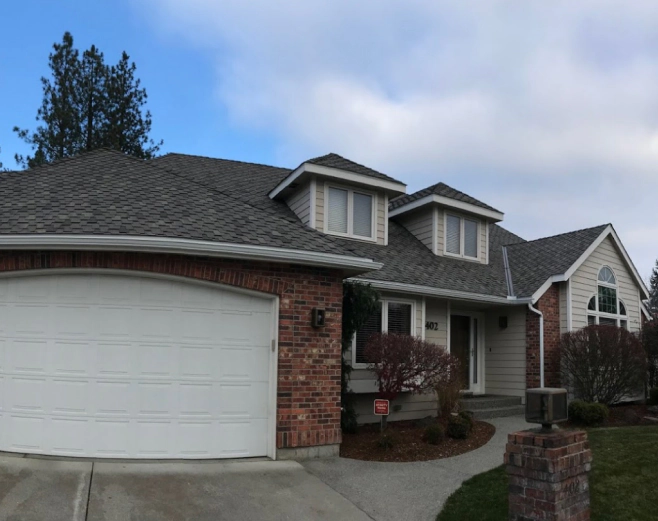
The homes sitting along the Five Mile Prairie bluff in north Spokane take a different beating than houses tucked down in the valley. Up on this open ground, three forces tend to chew through a gutter system over time:
- Ice dams: snow melts on the warm upper roof, refreezes at the cold eave, and traps standing water that overflows backward into the soffit and fascia.
- Wind-driven debris: the exposed plateau pushes needles, leaves and grit into troughs and downspout elbows, where it packs down and blocks flow.
- Freeze-thaw cycling: water that sits in a sagging or clogged gutter expands as it freezes, prying seams open and loosening fasteners season after season.
By the time most owners call us, the symptom they see - overflow, drips, peeling paint - is downstream of damage that already reached the wood.
Soffit and fascia are the part people forget
Gutters get the attention, but they're only as sound as the fascia board behind them. On the wind-exposed plateau, we routinely find fascia that has gone soft from years of overflow, and soffit panels that have been pried loose or ventilated by pests through the gaps.
When we replace a gutter run, we pull it back and inspect the wood underneath. Rotten fascia gets replaced, not painted over. Re-hanging new gutters on failing fascia just resets the same clock. We also check that soffit venting is intact and clear, because blocked intake venting is one of the quiet reasons ice dams keep coming back.
Seamless gutters sized for the runoff
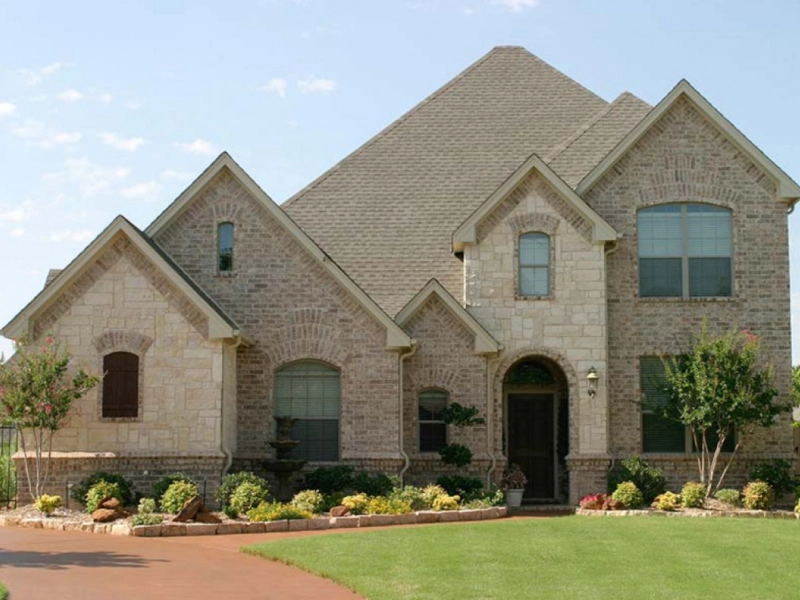
We form seamless aluminum gutters on site, cut to the exact length of each run so the only joints are at corners and outlets - far fewer places for a freeze-thaw winter to find a leak. For the larger roof planes common on the newer homes near Indian Trail, we'll spec oversized troughs and additional downspouts so heavy snowmelt has somewhere to go fast.
Color options are matched to your trim, hangers are spaced tight for snow load, and downspouts are routed to carry water well away from the foundation rather than dumping it at the base of the wall.
Replacing your roof at the same time
If your shingles are due, this is the moment to handle the eave as one system. With a roof replacement we include a 15-25 year workmanship warranty, and we can rebuild the soffit, fascia and drip edge while the eave is already open - the cleanest, most cost-effective sequence there is.
Doing it together also means the ice-and-water shield, drip edge and gutter line are all detailed to work with each other, which is exactly the kind of integration that keeps ice dams from finding a way back in. See our full roof replacement options if you're weighing both at once.
Guards and seasonal upkeep
Because the open ground here loads gutters with needles and grit, we'll talk through whether guards make sense for your roof pitch and tree cover. They aren't right for every home, and we won't push them where they won't pay off.
- Fall debris: clear troughs and downspouts before the first freeze so water isn't trapped to ice over.
- After windstorms: check elbows and outlets on the windward side, where the prairie packs debris fastest.
- Late winter: watch for icicle lines and overflow that signal an ice dam forming at the eave.
Local, warrantied, and easy to reach
DG Contracting is a family-owned company that has worked Inland Northwest roofs and eaves since 2013. As a GAF Master Elite contractor - a level only the top two to three percent of roofers hold - our installations qualify for the GAF Golden Pledge coverage, and our own 15-25 year workmanship warranty stands behind the labor.
We're licensed and insured in both Washington and Idaho, hold a 5.0 rating across 303 Google reviews, and offer flexible financing. Estimates are free. Call (509) 209-1894 to set up a look at your gutters, soffit and fascia.