
The repairs we see most on the bluff
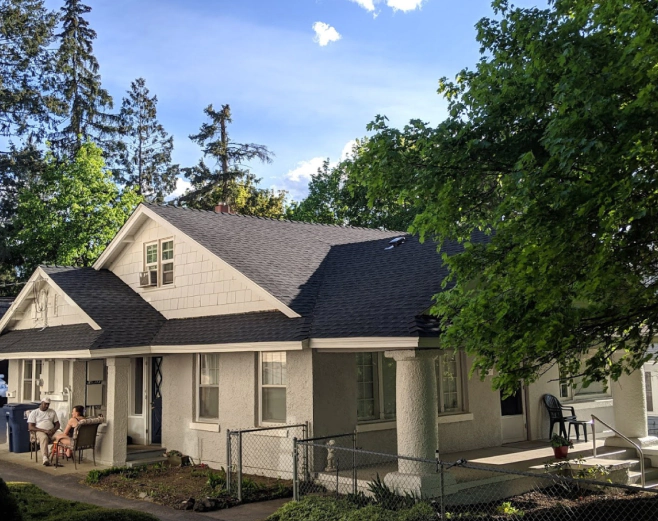
The Five Mile Prairie bluff in north Spokane sits high and open, and that exposure shapes the damage we find. Wind catches the field of the roof and the edges first, so torn or missing shingles along the rake and ridge are the number one repair we make up here. Right behind that come failed pipe-jack boots, popped or backed-out nails that telegraph through the shingle, and flashing that has worked loose at chimneys and skylights.
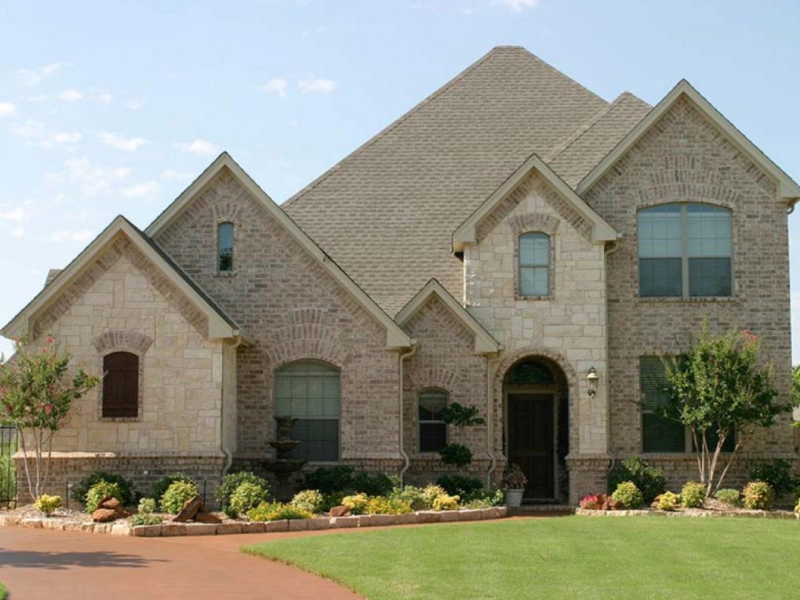
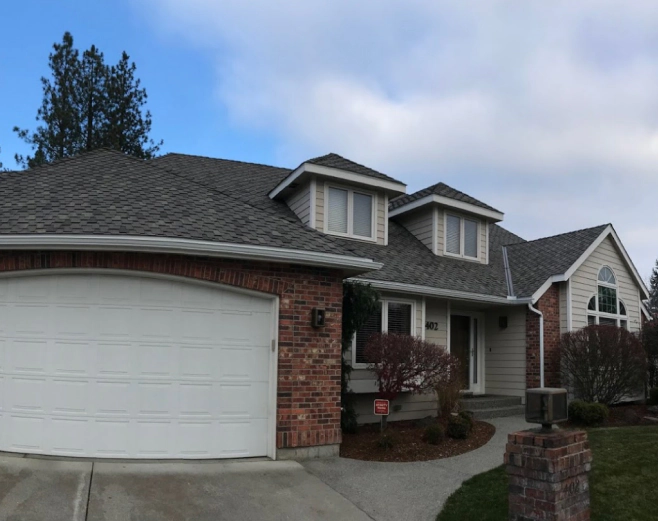
Because so much of this plateau is built up with newer homes near Indian Trail, a lot of the roofs are 12 to 20 years old - past their honeymoon period but not yet ready for a full tear-off. That is exactly the window where a focused repair makes sense, and where guessing wrong costs you a ceiling.
Why wind hits this plateau harder
This wind-exposed plateau does not get the buffering that tree-lined neighborhoods down in the valley enjoy. Gusts that feel ordinary at ground level are accelerating across rooftops here, and they pry at any shingle whose sealant strip has aged or never fully bonded.
- Lifted and creased shingles: once the seal breaks, the shingle flaps and the underlying nail head gets exposed to water.
- Blow-offs at edges and ridge caps: the high-pressure zones where wind damage almost always starts.
- Driven rain under the deck: wind pushes water uphill, past flashing that would handle a calm shower.
We hand-seal vulnerable courses, replace what is torn, and re-secure ridge caps so the next windstorm does not reopen the same wound.
Ice dams and freeze-thaw on a north-facing slope
Inland Northwest winters bring heavy snow and a daily freeze-thaw cycle, and the elevation up here means snow lingers longer than it does closer to the river. On shaded north slopes that snow melts, refreezes at the cold eave, and builds an ice dam that forces meltwater back up under the shingles.
When we are called for a winter leak, we look past the drip itself. We check the boot and flashing the water reached, inspect the eave for backed-up ice damage, and talk through ventilation and any low spots in the underlayment so the same dam does not form next January.
Newer roofs, real problems
Homeowners in the newer homes near Indian Trail sometimes assume a younger roof cannot be the source of a leak. It can. We regularly trace water on these homes to a single cracked plumbing boot, an improperly driven nail from the original install, a satellite-dish penetration that was never sealed, or step flashing that was tucked instead of woven.
These are small, fixable failures - but on a newer roof they are also the difference between a quick repair now and an insurance-and-mold conversation later. We find the actual entry point rather than smearing sealant over the symptom.
Repair, or is it time to replace?
We will tell you straight. If the damage is localized - a section of wind-torn shingles, a bad boot, lifted flashing - a repair is the right money. If we are seeing widespread granule loss, brittle shingles cracking when we walk them, or the third leak in a different spot this year, we will lay out the case for replacement instead of selling you a patch that buys six months.
When replacement is the answer, our work is backed by a 15-25 year workmanship warranty plus the GAF Golden Pledge, and a full replacement includes a 15-25 year workmanship warranty. See our roof replacement options if your repair conversation turns that direction. Flexible financing is available either way.
Why Five Mile Prairie homeowners call us
DG Contracting LLC has been a family-owned company since 2013, and we hold GAF Master Elite certification - a credential carried by only the top 2 to 3 percent of roofers in the country. We are licensed and insured in both Washington and Idaho, and our 303 Google reviews average a perfect 5.0.
For a repair on the plateau, that means a crew that diagnoses the leak correctly the first time, respects your home, and stands behind the fix. Estimates are always free.