
Why this plateau takes a beating
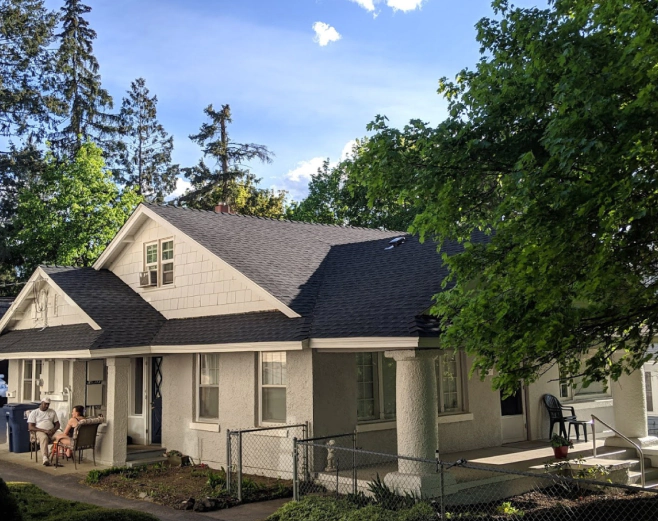
The same open elevation that gives Five Mile its long sightlines also leaves rooflines fully exposed. As a wind-exposed plateau with little tree cover on the newer subdivisions, homes here catch the full force of gust fronts that lose energy by the time they reach the valley floor below. Add the Inland Northwest pattern of spring hail riding ahead of thunderstorms, and you get two damage mechanisms stacking on the same roof.
- Wind: lifted tabs, creased shingles, and missing pieces along ridges and rakes
- Hail: bruised mats, fractured fiberglass, and granule loss that exposes asphalt to UV
Both can be subtle from the ground. That is exactly why a documented inspection matters before you assume the roof rode it out.
What we look for after a storm
Our inspection is built around the way damage actually shows up on the Five Mile Prairie bluff in north Spokane, not a generic checklist. We walk the field, the penetrations, and the metal flashings, then chalk and photograph every hit so there is a clear record.
- Soft hail bruises that crush the shingle mat without breaking the surface
- Wind-creased shingles that will fail within a season or two
- Damaged ridge caps, drip edge, and step flashing
- Dented gutters, vents, and roof-mounted accessories that corroborate a hail event
- Granule accumulation at downspout outlets
You get the photos whether or not the damage rises to a claim. No surprises, no pressure.
Newer homes, newer headaches
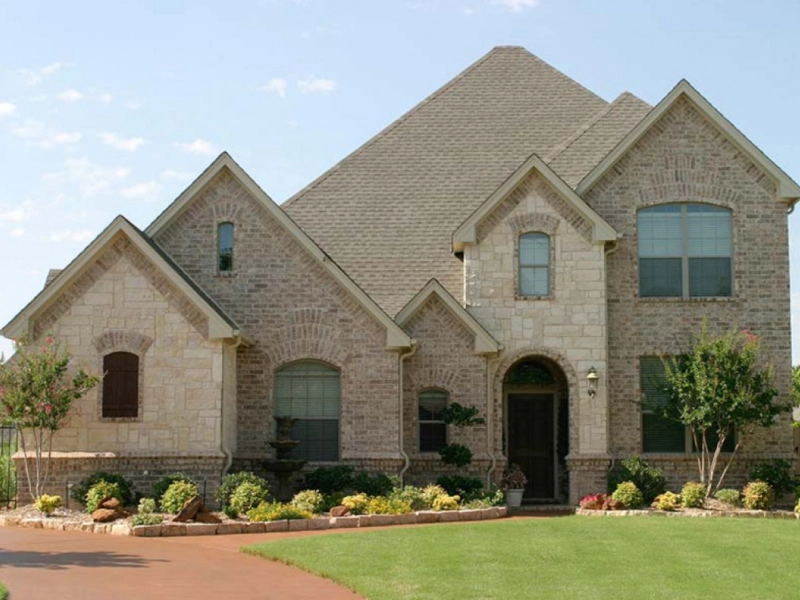
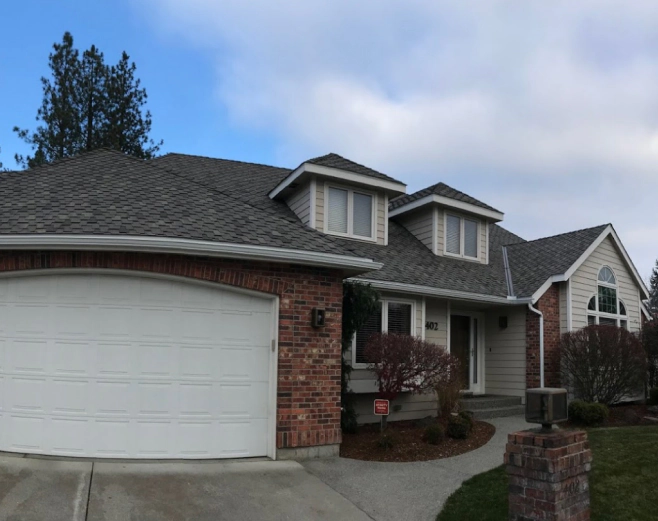
The newer homes near Indian Trail and across the prairie's recent developments often share builder-grade roofing installed on tight construction timelines. We see the same recurring issues here: under-nailed shingles that pull free in high wind, skimpy flashing details at sidewalls and chimneys, and ventilation that traps heat and shortens shingle life. After a storm, those weak points are usually the first to let go.
When we repair, we correct the underlying detail rather than just swap the broken piece, so the same spot is not back on the punch list after the next blow.
Insurance claims without the runaround
Storm and hail repair is as much paperwork as roofing. We document the loss to the standard adjusters expect, meet your adjuster on site when you want a second set of eyes, and translate scope language into plain English. Because we are GAF Master Elite certified, you also keep access to manufacturer warranty coverage that fly-by-night storm crews cannot offer.
For homeowners weighing a few repairs against a full tear-off, our roof replacement page lays out how a covered claim can fund a longer-term fix. Either way, we give you a straight recommendation based on what the roof actually needs.
Built for Inland Northwest weather
A repair that ignores our climate just postpones the next call. We seal and fasten for the wind loads the plateau sees, and we factor in the freeze-thaw cycling and ice-dam pressure that follow once winter sets in. Matching color and profile on a partial repair takes more care on these exposed runs, so adjacent courses do not stand out.
Every workmanship detail is backed by our 25-year warranty, layered on top of the GAF Golden Pledge coverage available on qualifying systems. When you need full gutters as part of a replacement.
Local crew, fast response
DG Contracting LLC has been a family-owned name in the region since 2013, and we hold a 5.0 rating across 303 Google reviews. We are licensed and insured in both Washington and Idaho, and after a major storm we prioritize emergency tarping and water intrusion so a small breach does not turn into a ceiling repair.
Estimates are free, financing is flexible, and we will tell you honestly whether you are looking at a quick fix or a claim. Call (509) 209-1894 to get on the schedule.